Blog - foXnoMad

4 Thing To Pack and Not Feel Guilty About: My Guest Post At Travel Experta
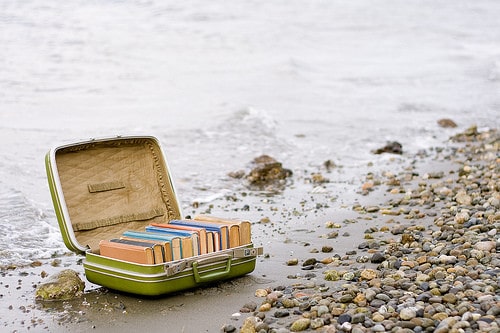
reading at the beachYou can read my guest post at Travel Experta about 4 things to pack and not feel guilty about. (I wonder if you can guess what they are.) Head over to Marina Villatoro’s blog to read the post and while you’re at it find out all you need to know about traveling in Central America.

The Travel Experta is an inspirational blog and if you’re headed to Central America Marina can help you plan a great trip for less than doing it yourself. Also look for a special set of guest posts here on foXnoMad from Marina beginning next Friday.

[photo by: Joseph Robertson]

Overcoming 7 Major Obstacles To Traveling The World – #3: You Don’t Know Where You’d Go

confusion spelled in scrabbleA number of you are planning to travel the world one day, which won’t happen unless you can overcome these 7 obstacles. Here are Part 1 and Part 2 of this series.

It may seem that money is the biggest hurdle to overcome to traveling the world but aside from anything external the biggest thing holding you back is yourself. You may be thinking “not knowing where to go” is a stupid thing for anyone to let get in their way but it’s a symptom of not wanting or being able to convert your dreams into realities.

From Your Head To Paper

It’s much easier to follow any plan that’s written down on paper, thought out, and discussed with those you care about. Many people say “I wish I could just travel” but few sit down and set some general plans for their journey.

  • Traveling the world is not a fantasy so don’t treat it like one.

things to do list on paperBeware that beginning to turn your dreams into realities make them a bit less glamorous and you’ll awaken to the fact that traveling the world takes work. Start off slowly and put a list of 3-5 places down that you’ve always wanted to go. Do this in conjunction with the travel budget you calculated (using an amateur’s guide to location independence part 3) and the haze will begin to get clearer.
Why Do You Want To Travel?

What are your motivations for wanting to travel around the world? Where you decide to go is a reflection of circumstances as much as it is of your personality. The entire world is open to you and that’s daunting when you’re about to leave your cubicle behind and seriously shake up your daily routine.

Ask Yourself

  • Where do you see yourself – on a beach, in the mountains, a big city – perhaps a little of each?
  • How long do you want to travel? Is it for a set time or indefinitely?
  • Where would you not want to go?
  • What are you searching for? What landmarks do you definitely want to see?

Effort In Effort Out

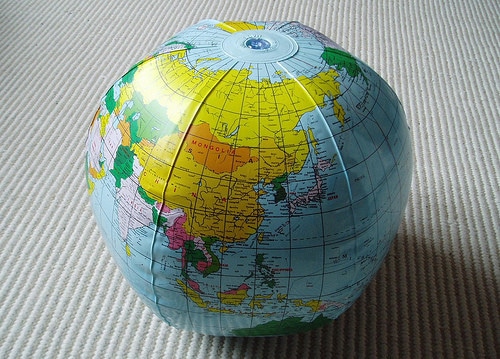
globe beach ballBy now you should have an idea of which part of the world you want to go see or at least begin in and some idea of why (i.e. you’ve always been interested in Japanese culture). Grab a map and begin plotting out your journey. Don’t be concerned with how long you’ll stay at each place, or get from city to city just yet. Those are the details – have fun with this stage of planning and don’t leave anything off limits.
  • Those lines crisscrossing the map will invigorate you and hurdle you easily over this obstacle.

From this point on the more effort you put toward traveling around the world, like cooking peasant foods to save money, the closer you’ll be to visiting the places you’ve decided to go.

It Starts With Dreams But Doesn’t End There

Dreams and hopes are the foundation of most great things that are accomplished around the world and in our personal lives. Planning on where to go is the obstacle to overcome that’s in between preparation and action. Saving money and letting go of your comfortable day job may not have you convinced that you can actually travel the world. Putting lines down on a map and watching them go around the globe just might.

Now that you have yourself convinced, it’s time to bring your family and friends on board. Next week in Part 4 you’ll break the news to them and find ways to keep them close even though you’ll be traveling the world.

[photos by: LuluP, dmachiavello, stevecadman]

What’s On The Back Of My Toilet?

black and white toilet seatYou can find out the answer to that question, “what’s on the back of your toilet“, by reading my response to Daniel and Kathryn over at Two Go Round-The-World. Daniel asked me and several other bloggers that question to learn a little bit more about us and the answers with pictures were interesting across the board.
You can find out what’s on the back of Velvet Escape, ThePlanetD, So Not Lost, and 4 other great travel blogger’s toilets. While you’re there be sure to take a look through Two Go Round-The-World which is an excellent travel blog.

[photo by: rainspoo]

How To Set Your Watch To South American Time

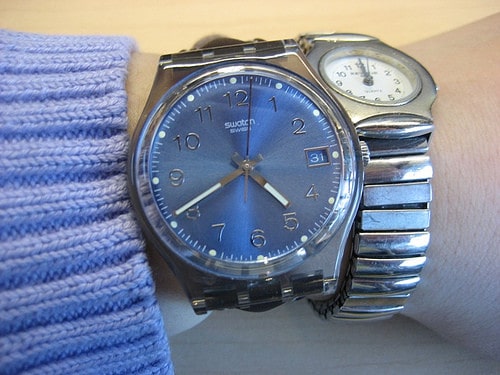
wearing two watches at onceSetting your watch to the proper time zone before you head to South America is easy, but for many travelers adjusting to ‘South American’ time is much more difficult. In fact, unless you’re headed to (most of) Western Europe, the US, or Canada you’re going to have to learn that aside from jet lag there is another time change you’re going to have to get used to.

The notion of South American time isn’t limited to that part of the world. The perception of time varies but clocks generally run slower in the Middle East, Africa, and parts of Southeast Asia, but especially in Central and South America. You’ll get to enjoy this slower pace and the freedom that being late gives you if you are willing to accept a few important points.

Time Is Just A Suggestion

You’ll have to shift your idea of time as a point in reality and think of it as more of a window when things might happen. One of the biggest shifts that I’ve seen people go through is accepting that in many cultures time is just a suggestion. 5 o’clock can mean anywhere from 530-8pm depending on where you. Just add the mental disclaimer of ‘somewhere around’ any time you happen to hear.

Don’t Take It Personally

dr pepper take your sweet timeIf you do happen to make the mistake of being ‘on time’ and your friend, tour guide, or taxi isn’t promptly there don’t take it as an insult. In South America and other parts of the world being precisely punctual isn’t tied with politeness. Not that people are trying to be rude but the perception of time is a cultural phenomena, not something that is the same to all human beings.


Plan To Be Late But On Time

Accept that things are just not going to happen according to your watch and plan appropriately. There are plenty of individual resources online and some simple Google hacking should give you an idea of how late a particular group of people, city, or culture tends to be. You’ll quickly notice if everything around you is running 30 minutes or two hours late (Brazilians I’m looking at you) and you can set your watch to it.

Enjoy It

The more you fight it the more frustrated you’ll end up being if the culture you’re visiting runs on South American time. Accepting that things simply do not happen ‘on time’ not only reduces your stress but it frees up a lot of time mentally for you as well. Take your time getting ready or enjoying your meal before you head out. It’s a lot easier to do when you know that most everyone around you is doing the same thing.

Whatever Pace You Live At Change It From Time to Time

man relaxing on a boatSo much of our lives are based on clocks, calendars, and schedules. Following a clock can make you feel like you’re in control of time but in South America and other parts of the world waiting in lines, meals with no end, and parties that start hours after they’re supposed to start are times to enjoy and not stress about the next thing on the agenda.

Those of you used to a face-paced life can really take a break in South America or wherever time slows down. Take a break, even if it’s a temporary one for 3, 5, or more days and try taking your watch off and hiding the clock on your iPod. See how much more time you have when there’s no real time at all.

[photos by: eszter, Graela, designer-wg.de]

Cook Peasant Foods To Save Money and Time For Traveling

cooking in a panda panOne of 5 ways to increase your travel fund is to spend fewer nights out. As I mentioned on Dan’s post, knowing how to throw together a meal can help you do just that. In my travels I’ve noticed some common themes among the peasant foods (many of which I grew up on) around the world – they are cheap, hearty, and easy to cook and expand upon.

Cooking your own meals is one of the best ways to save money whether you’re at home saving for your next trip or on the road already. You can learn a lot from the locals in any country by taking notice of the staple foods and how they’re prepared, while at the same time learning about the culture around you.

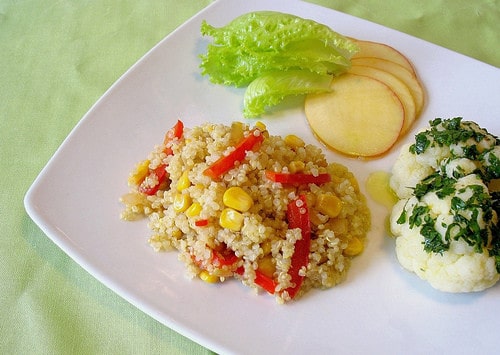
1. Grains: Quinoa

This South American grain was known to the Incas as “the mother of all grains” and has a high complete protein content (~15%). Quinoa can be prepared much like rice (1 part water to 1 part quinoa), mixed with an assortment of spices, and goes great with chopped onions, tomatoes, next to a plate of beans.

plate of quinoa

Using whole grains you can even make no-knead bread or go with the always-easy grain to cook, rice.

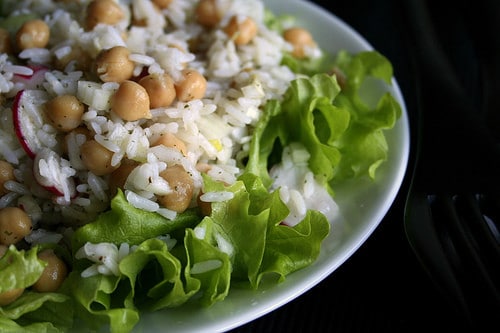
2. Beans: Chickpeas

Hummus, falafel, chana masala, the list goes on and on. Also known as garbanzo beans, chickpeas are high in protein and fiber, like quinoa. Chickpeas are cheap and can be cooked and mashed in almost an endless number of ways.

chickpea salad

Chickpeas are legumes like beans, lentils, and peanuts – all of which have a high protein content and are very easy to prepare (boil and and add to it).

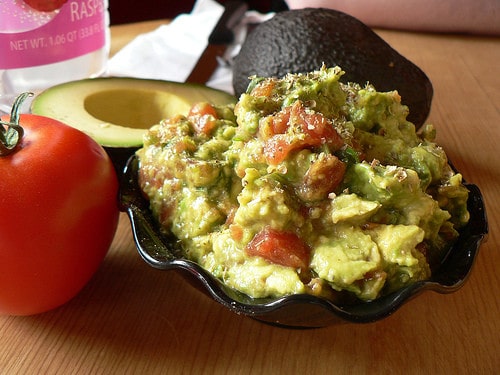
3. Fruit: Guacamole

The basic ingredient of guacamole, the avocado, is high in fiber and unsaturated fats making it a filling and healthy meal. The nice thing about guacamole is that it doesn’t require cooking and all you need other than avocados are onions, tomatoes, chilies, and cilantro. You can try adding lemon or lime based on your tastes and get creative with your own recipe.

guacamole

Grab some chips or bread and you’ve just gotten your grains and 3 fruits in one sitting.

Add Some Spice

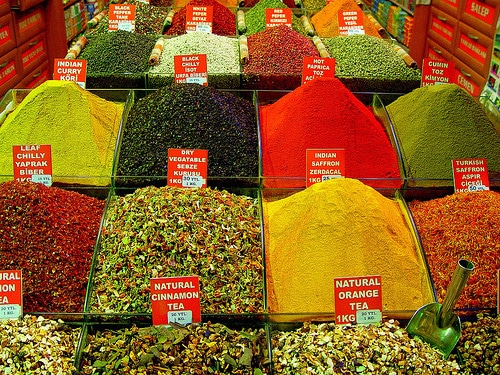
I once heard a world-famous chef (don’t recall which one) say the only difference between him and everyone else was he knew what spices to use and how much to add to a given dish. There is one common feature you’ll find to many international staples – spices, and lots of them. Most spices are cheap and can pack a punch of flavor to many of these peasant dishes which tend to be bland on their own (especially grains and beans).

assortment of colorful spices

Start from the bottom up and build your meals on the foundation of most peasant meals around the world – grains, legumes, and spices. (I could also add soups based on staples to the list as well.) Eating out all the time is one of the worst things to do on your staycation and a fast way to go through your money when traveling. It turns out that these and the other 5 easiest foods to cook are also some of the cheapest and can generally be bought in bulk.

You can combine these foods with countless spices to create unique flavors and save a substantial amount of money so can save money for traveling and show off your cooking skills on your next trip.

[photos by: massdistraction, bricolage.108, Seitti, Oberazzi]

About Anil Polat

foxnomad aboutHi, I'm Anil. foXnoMad is where I combine travel and tech to help you travel smarter. I'm on a journey to every country in the world and you're invited to join the adventure! Read More

YouTube Twitter Instagram Facebook

Image Map

Image Map
10 Shares
Share
Tweet
Pin