Blog - foXnoMad

The 2010 Hoscars Award Ceremony

For the past 8 years, HostelWorld has recognized the top 10 hostels worldwide with the best reviews on its website with the annual Hoscars Awards Ceremony (HOStelworld Customers Annual Ratings). I was invited by HostelWorld to attend this year’s event last week at The Button Factory in Dublin, Ireland. The Hoscars is essentially a big party to honor the hostels that are ranked the highest in a number of categories like Most Improved, Cleanest, and Best Staff in additional to the top 10 overall worldwide.
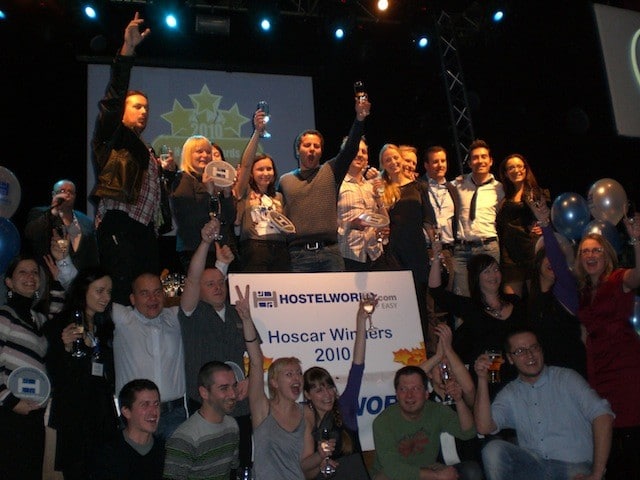
2010 hoscars

The Hostel Owners

I was surprised to see how many young hostel owners and staff there were, many of them current or former backpackers themselves. They were very keen on maintaining and improving upon their reputations in their respective categories and the other hostels not on any of the lists were looking toward 2011. The hostel owners and staff take the reviews of their hostels seriously and the Hoscars seem to benefit hostels and hostelers alike.

The Top 10 Hostels Worldwide

I’ll introduce you a bit more to these hostels later in the week, which are overwhelmingly based in Europe. The results were based on over a million user reviews of 23,000 hostels featured on HostelWorld.

  1. Traveller’s House – Lisbon, Portugal
  2. Rossio Hostel – Lisbon, Portugal
  3. Living Lounge Hostel – Lisbon, Portugal
  4. Academy Hostel – Florence, Italy
  5. Carpe Noctem – Budapest, Hungary
  6. The Riverhouse Backpackers – Cardiff, Wales (Also voted best staff. Find out why in this Guardian article by Dixe Wills.)
  7. Lisbon Lounge Hostel – Lisbon, Portugal
  8. Greg & Tom Hostel – Krakow, Poland
  9. The Naughty Squirrel Backpackers Hostel – Riga, Latvia
  10. Lisboa Central Hostel – Lisbon, Portugal

I would like to have seen hostels representing a wider global reach. While Europe is certainly a very popular area of the world for backpackers, I’m sure there are excellent and unique hostels from other parts of the world that simply didn’t get enough volume of votes.

The HostelWorld Hostel Conference

The Hoscars were only one part of a 2-day HostelWorld hostel conference revolving around how hostel owners can better use social media to engage travelers. The discussions revolved around what travelers want (i.e. booking very last minute and family rooms) and accommodating the newest backpacking nationalities (Brazilians are climbing the list fast).

Hostel Feedback

Often travelers don’t regard hostels as businesses and neglect to leave feedback online or in person during and after their stays. I tried to speak with as many of the 400 hostel owners in attendance as I could and almost all seemed receptive to comments and complaints – but noted that backpackers in general don’t make their concerns known immediately.

That the top hostels are recognized both globally and locally by events like the HostelWorld Hoscars pushes the receptive hostel industry in the right direction, opens up budget travel to more people, and improves it for current backpackers.

Backpacking Basics Part 5: The Backpacker’s Dictionary

This is the fifth part of 5 in a series of backpacking basics. You can catch up with Part 1 (What Is Backpacking?), Part 2 (Picking The Right Backpack), Part 3 (What Is A Hostel?), and Part 4 (Where To Start Backpacking) if you missed them.

All subgroups have their own lingo, terms that help them bond. Small insiders that evolve, live, and die within a community much like backpackers. These are just a small number of the backpacking terms and acronyms you may come across. There are plenty of local and regional words these are just some of the basics.

dictionary

Border Run

Backpackers almost always travel on tourist visas. Typically if you’re a citizen of the United States, Canada, or a Western European nation you can enter most places for 3-6 months and get a visa stamp as you enter most countries. You may decide to stay longer, so one way to ‘reset’ the tourist visa is to go to the closest border for a day or even a few hours. Technically you’ve left and when you reenter you get a  new visa for 3 months (for example).

  • Keep in mind that border runs don’t always work and if you do too many in the same place you lessen your odds of getting back in.

Full Moon Party

On every full moon in Ko Pha Ngan in Thailand there is a massive party where thousands of backpackers gather to drink the night away. Below is a video that will give you a better idea about what it’s like and if a full moon party is your sort of backpacking experience.

There are “full moon” parties in other parts of the world but this one is where the term came from.

Gap Year

A common term especially in the UK and Australia, a “gap year” is often what’s referred to as the time between high school and university, high school and a “real job”, or university and the “real world”. It’s in this gap year that many Europeans take an extended period of time to travel extensively around the world.

  • In the US the term career break is used many times in place of gap year.

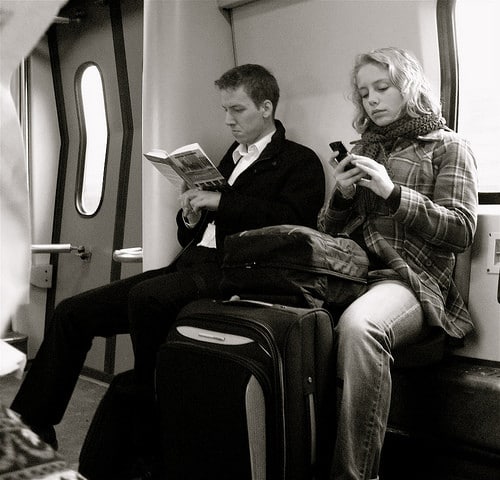
reading on a trainRTW

I’ve written more about what is an RTW but basically it’s a trip around the world in one shot. If you want to follow some RTWers getting ready for their trip, search for them on Twitter using the #RTWsoon hash tag.

Travel Blog

It’s not really a backpacking term but it seems like every backpacker now has a travel blog. I’ve got 4 myself and here’s a list of many others. If you’re looking for some advice on travel blogging you can read my other site Travel Blog Advice or David Lee’s Travel Blog Success (coming soon).

Other Basic Acronyms and Terms

  • Backpacking – A term with a loose definition, not everyone agreed with my definition of what is backpacking.
  • HostelWhat is a hostel has the basic information you need.
  • Ready-To-Go Gap – One I made up about the period of time between finalizing plans and actually traveling.
  • UL – Ultralight. You’ll typically see this when looking for backpacks.

There are so many more I haven’t touched upon or simply don’t know. @sneha_april suggested ‘daily metro pass’ (if you’re heading to Paris check out the Passe Navigo Decouverte) and Hobo Traveler has more backpacker jargon for you to brush up on.

I hope you enjoyed this series of posts new and old backpackers alike. I’ve got a few more ideas for a follow up in the months to come. Until then, I’m looking forward to your backpacker terms and definitions.

[photos by: MrPhilDog, Akbar Simonse]

Backpacking Basics Part 4: Where To Start Backpacking

This is the fourth part of 5 in a series of backpacking basics. You can catch up with Part 1 (What Is Backpacking?), Part 2 (Picking The Right Backpack), Part 3 (What Is A Hostel?), and Part 5 (The Backpacker’s Dictionary) if you missed them.

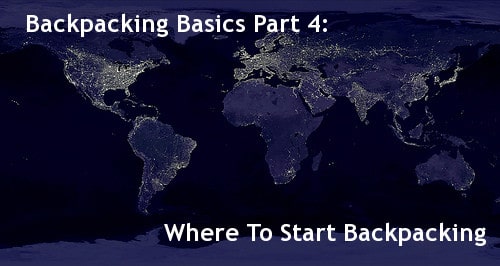
world lights

Where To Start?

starting lineFor those of you who’ve never been backpacking, it can seem an intimidating task figuring out where to go. You’ll have a limited amount of gear with you and you might be afraid of being mugged, getting lost, or not having enough underwear. Traveling in conventional ways, with a suitcase staying at hotels and booking tours makes you feel safer and insulated – because generally you are.

Look at backpacking as an experience like a ‘home’ experience somewhere else. You aren’t as insulated, might cook your meals, forget to wash your socks, and live on a conservative budget. Much of the backpacker experience is “normal” and not a vacation where everything is taken care for you.

That’s what makes backpacking fun. Going to a new place is always a bit scary and good and bad things will happen. Most likely you’ll only have to rely on you – but you’ve been doing that up until this point, and it’s not turned out too bad has it?

Cultural Relativity

albert einsteinSome of the easiest places to backpack are the locations where the culture and infrastructure is similar to your own. If you live in the United States, Western Europe, Australia/New Zealand, and Canada will make the easiest transitions. If you’re Chinese, South East Asia might be more familiar and easier for you to adapt to.

The more you travel though, particularly as a backpacker, the easier it will be for you to notice and adjust to cultural differences no matter where you begin.

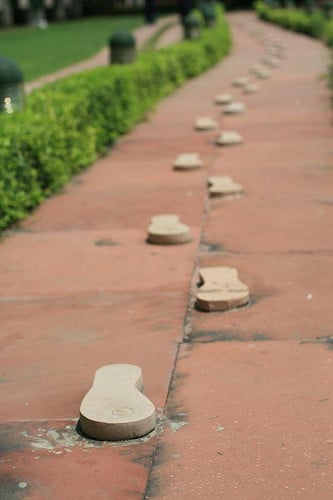
footstepsPopular Backpacking Destinations

There are some places and regions around the world very popular with backpackers have good infrastructure for travelers in general.

This is a very small list and there are backpackers everywhere. You’ll almost certainly run into others if you stay in hostels.

The Best Place Is Where You Want To Go

As Mark H (Travel Wonders) so eloquently put it,

Personally, I think people (subject to budget) should go to the place they have always dreamed of going for their first international trip. Whether it be because of your heritage, a fascination with that country, a relative/friend who lives there, a smattering of that language or whatever, you are more likely to enjoy a place that you have a true enthusiasm for and some background knowledge.

The best places to backpack are ultimately the ones you really want to explore or meet your methods and goals. If you’ve got time limitations go closer…sticking to a budget – figure out the best places to travel on a weak dollar. Backpacking isn’t as hard as it may seem and you’ve got more wits than you give yourself credit for.

For those of you who have been backpacking, where are some of the first places you went?

Tomorrow in the final part of the series I’ll give you some backpacking lingo and define some common acronyms that you’re likely to come across.

[photos by: woodleywonderworks, Jon_Marshall, Zhang Erning, cash-if]

Backpacking Basics Part 3: What Is A Hostel?

This is the third part of 5 in a series of backpacking basics. You can catch up with Part 1 (What Is Backpacking?), Part 2 (Picking The Right Backpack), Part 3 (What Is A Hostel?), Part 4 (Where To Start Backpacking), and Part 5 (The Backpacker’s Dictionary) if you missed them.

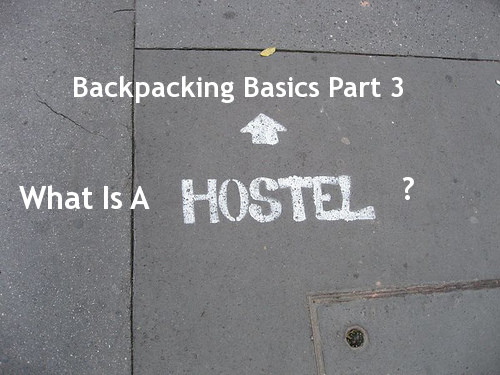
Almost an integral part of backpacking and the culture behind it is the hostel. A hostel is basically a low budget lodging option, generally where you share a room with 4-12 people. Hostels are plentiful in many cities around the world and geared towards backpackers offering things that most hotels charge extra for like wireless Internet access and last minute booking.

hostel

Why A Hostel?

Hostel rooms in Europe, for example, run about 10-15 Euros a night compared to 80 for a hotel. Most people choose to stay in a hostel for the lower prices, community atmosphere, and their unique character. Hostels are where most backpackers stay if they’re booking accommodations and they’re a great way to meet other people of like minds.

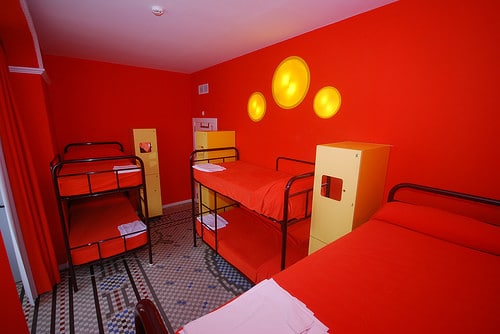
valencia hostelsMost Hostels Have…

Hostels, much like hotels, vary quite a bit in their offerings but here are some pretty consistent things you’ll find across most.

  • Sharing a Room and Bathrooms – Many hostels do also have private rooms for one or two people for a bit more cost but almost always less than a hotel.
  • Booking A Bed, Not A Room – When you book a hostel, typically you’re reserving a bed not a room. That means if you’ll be traveling in a group and want to stay with your friends, depending on how the beds are filled you might not be in the same room. (It’s rare this happens in groups of 4 or less.)
  • A Kitchen (For You To Use) – It’s cheaper and healthier to go grocery shopping and cook at the hostel. Most also have a fridge and places to store your extra food.
  • Quiet Hours – You might be worried about sleeping in a room with 12 other people but most hostels implement “quiet hours” between reasonable hours of 10pm and 8am. Here’s a guide to sleeping in hostels.
  • Free Wi-Fi – The access point is usually open and you don’t have to register or jump through hoops to get online. That makes it much easier to use wi-fi with your mobile device or iPhone without breaking the bank.
  • Tours and Local Travel Information – You can stay in a hostel and still take an organized tour if you like and often the prices are lower than booking elsewhere since many hostels work with local vendors.
  • Helpful (Understanding) Staff – People working at hostels know many of their customers are on a very tight budget and will let you know where to eat, drink, and entertain yourself for less.

Many people who’ve never stayed in a hostel have a number of misconceptions and one of them is that all the people who stay in hostels are seasoned travelers who never do any ‘regular’ travel stuff. In a lot of ways staying in a hostel isn’t all that different from staying in a hotel.

hostel signWhat Hostels Are Not

Quite a few people are afraid to stay in hostels due to several misconceptions about them. Most of them revolve around the idea that hostels are huge parties full of 20 year old drunk backpackers. While there are definitely “party hostels” and you can easily find out which ones they are by reading the reviews on the site you’re booking through.

One thing to remember is there are a variety of hostels – you can find the right one for you.

How To Book A Hostel

There are two major websites to search when looking for hostels before your next trip. It’s not all that different from booking a hotel on Kayak, Travelocity, or any other online travel agent.

Once you do find a hostel you can also try Googling them to see if they’ve got a website and perhaps some special offers for particular dates or if you book directly through them.

The Easy Part

After the first time booking a hostel takes about 5 minutes online. It doesn’t take extensive research and you can get most of the information you need by reading the reviews of the hostel before booking or on sites like Hostelz. Finally, just like anything else, if you’re not happy or satisfied you can ask it to be fixed or for a refund. In the end hostels are businesses and a more normal experience than most imagine them to be.

Tomorrow in Part 4 we’ll get to the fun part of backpacking and some of the best places to start.

[photos by: mikeleeorg, nest hostels valencia, Dolarz]

Backpacking Basics Part 2: Picking The Right Backpack

This is the second part of 5 in a series of backpacking basics. You can catch up with Part 1 (What Is Backpacking?), Part 3 (What Is A Hostel?), Part 4 (Where To Start Backpacking), and Part 5 (The Backpacker’s Dictionary) if you missed them.

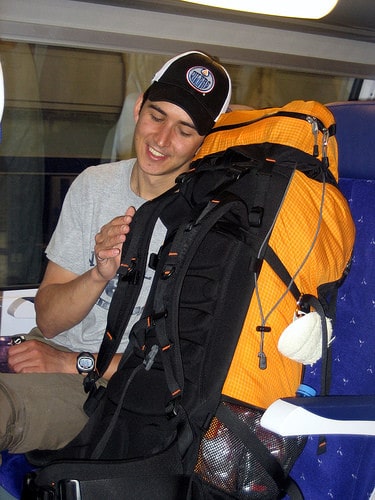
man with backpack

In Part 1 of backpacking basics you found out the basic definition of backpacking and that it revolved around one central item – the backpack. Ironically, the backpack is often the last thing new backpackers think about after making trip plans, booking tickets, and getting ready for their first trip.

Getting the right backpack for your next trip is easy but finding the best backpack for your next 10 trips is much more difficult. Choosing the right backpack is a very personal decision and more of an art than a science. You can find that right pack for you however by taking a look at your travels to come and forgetting about your very next plane ride.

40L, 50L, 65L…Size In Liters

One of the basic categories of backpack size are measured in liters – a rough guide of the volume a backpack can carry. Backpacks ranging from 40-65L are generally a good size to consider if you’re only traveling with one bag. While you’re researching online you should read the specs for any backpack as the actual volume may vary (even if it’s labeled a 50L, it could be bigger, smaller, or not include one of the detachable pockets).

  • Most backpacks measured in liters also come in sizes, small, medium, and large. These different sizes are for people of different heights and weights so it’s important to try on a new backpack before buying it. Most generally come with guides that will let you know the right size based on how tall you are.
  • Many of the 50L and under backpacks can be stored on planes as carry-on luggage which might save you on airline fees.
  • Get a backpack that can hold a small day pack so you don’t have to lug around your main backpack all the time. Some backpacks have detachable (~10L) daypacks you can zip right off.

two backpackersYour Travel Pattern

Each individual trip you take is one in a lifetime of travels. Begin your quest to find the right backpack by thinking about how you’ve traveled in the last 3 trips you’ve taken (short or long) and the next three you’re planning on or would like to take. Did you pack light or were you always 10 pair of underwear too many? A good way to give yourself a reality check is to ask anyone you traveled with or saw you pack.

  • Sizing is important because getting a pack that’s too large or small can end up making your back or shoulders sore after a few hours of walking.

I’ve found that if you’re in doubt between two sizes of backpack, go with the smaller one. You’ll be forced to pack more efficiently – buy a larger backpack and you’ll inevitably fill it up with more stuff (and weight).

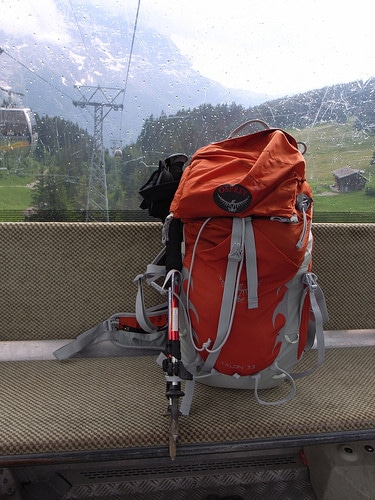
osprey backpackImportant Things To Keep In Mind When Picking The Right Backpack
  • Reliability – Read online reviews, ask your fellow travelers, and hold the backpack you want to buy and take a look at the seams. You don’t want to have to replace your backpack after a few trips or loose a strap in the middle of the Thai jungle.
  • Front Loading – Many backpacks are ‘top loading’ meaning you pack them from an opening in the top of the pack. They are generally a bit lighter but you’re better off getting a top and front (or side) loading backpack for easy access.
  • Color – I prefer backpacks that can look dirty easily and when brand new don’t sparkle as such. The more ordinary your backpack looks the less likely it will interest a potential thief or hostel opportunist.

Backpack Recommendations

For US residents REI is an excellent resource to try out many of the major backpack brands such as Osprey, Gregory, and Kelty. REI themselves make excellent backpacks and I’m a particular fan of the REI Ridgeline 65L backpack. Some other good backpacks to consider are:

Nomadic Matt also has good advice on choosing the right backpack with some information about internal frames and padding. Selecting the right backpack for you can take a bit of time so start looking well before your trip so you don’t make a rush decision and end up with something that doesn’t suit you or last.

Selecting the right backpack can be fun and frustrating at the same time but once you find your pack you’ll know it. Tomorrow in Part 3 I’ll introduce you to anothe backpacking basic, the hostel.

[photos by: Canadian Veggie, Eliel, andihefti]

Backpacking Basics Part 1: What Is Backpacking?

This is the first part of 5 in a series of backpacking basics. You can catch up with Part 2 (Picking The Right Backpack), Part 3 (What Is A Hostel?), Part 4 (Where To Start Backpacking), and Part 5 (The Backpacker’s Dictionary) if you missed them.

Although many of you are seasoned travelers and several have taken RTW trips, there is a segment of you who’ve never gone ‘backpacking’, stayed in a hostel, or picked a bag to live out of for weeks on end. Some of you may be preparing for your first trip while others are just interested in the backpacker world and I’d like to introduce you to it. Over the next week I’ll be going over some backpacking basics if you’re planning on hitting the road in a new way or examining your past travels.

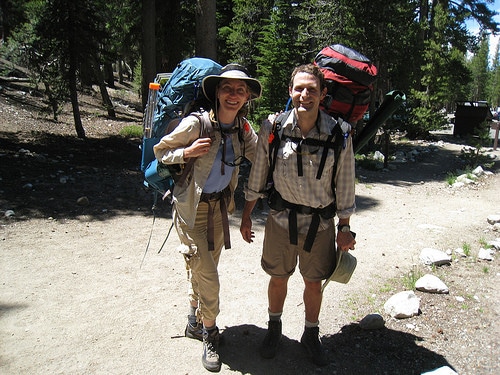
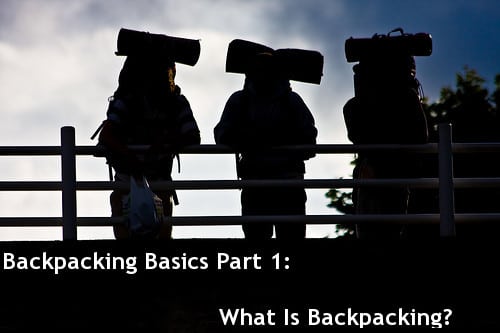
backpackers

What Is Backpacking?

There is no real set definition of “backpacking” and many people have various ideas as to what it is. On top of that backpacking is evolving and the increased convenience and low cost of travel is making more travelers backpackers, whether they’re aware of it or not.

  • Essentially backpacking is traveling with only a backpack and generally on a very low budget.

The backpack is the important part. Also, backpackers tend to be on the road for longer periods of time than the typical vacation; weeks, months, and some even longer.

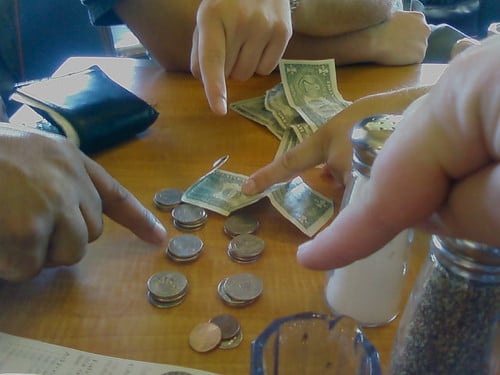
counting changeNo Set Definition

The bags are getting bigger and the world smaller, making it easier to live out of a single bag. There is also an extensive backpacking support system of hostels, travel blogs, and low-fare airlines. Plus there are websites like Freecycle, eBay plus many more that make trading and selling stuff for a few extra bucks accessible to more people around the world as well as lots of free software for digital nomads to call home and keep in touch.

  • You can backpack for 3 days on a quick trip from New York to London, or take a weekend trip to to a nearby big city.
  • Many backpackers don’t need to stick to a strict ‘student’s budget’, have a decent income but just like the style of travel. Some people use the ‘flashpackers‘ to describe them.

There are some common types of backpackers though – students traveling around Europe for a semester, those traveling to a specific part of the world in the gap between school and a “real job”, and RTWers.

It’s Not The Best Or Better

Backpacking can be a liberating feeling, one that puts your wits to the test as you try to manage a small budget and make your way around with as little gear as possible. Particularly after the first or second backpacking experience you can easily become a travel snob and get the impression that backpacking is the “best” way to travel. Keep in mind that it’s only one way to travel and one that’s not particularly well defined. It’s not for everyone but a form of travel that’s worth experiencing at least once.

While the definition of backpacking can vary quite bit there is one central thing to all the definitions – the backpack itself. Tomorrow in Part 2 I’ll start you off on selecting the right backpack for you and your travels.

[photos by: garryknight, thisisjustin]

About Anil Polat

foxnomad aboutHi, I'm Anil. foXnoMad is where I combine travel and tech to help you travel smarter. I'm on a journey to every country in the world and you're invited to join the adventure! Read More

YouTube Twitter Instagram Facebook

Image Map

Image Map
10 Shares
Share
Tweet
Pin