Blog - foXnoMad

A Review Of The Lightweight Paperwallet

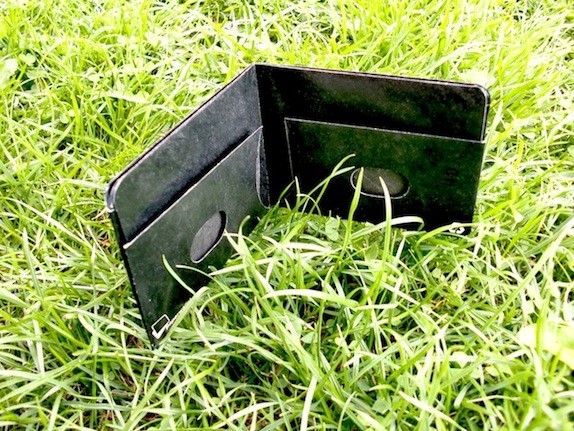
The Paperwallet is a thin billfold designed to be both light and inconspicuous making it a good alternative to bulky pockets for travelers. The Paperwallet holds bills, credit and business cards to make a decent secondary or mugger’s wallet for travelers concerned about security.
paperwallet

Is It Durable?

That was the first question that popped into my mind when I heard the name “Paperwallet” and it came up again when the company sent me one to review. Although the Paperwallet feels flimsy, under normal use durability doesn’t seem like it would be an issue for at least a year of frequent travel. The completely recyclable Tyvek material the wallet is made out of resembles glossy paper and is difficult to tear.

Practical Uses For The Paperwallet

The Paperwallet makes an excellent travel wallet for those who like to have their money in something, as opposed to just keeping a few bills and a credit card in a pocket.

Keeping your valuables in your front pocket is good protection against pickpockets as is not carrying too much cash on any given outing.

For about $15 though, the Paperwallet can’t beat your front pocket, except to act as a mugger’s wallet. Basically you can keep a few small bills and an unactivated credit card in the Paperwallet so you have something to give up without losing much.
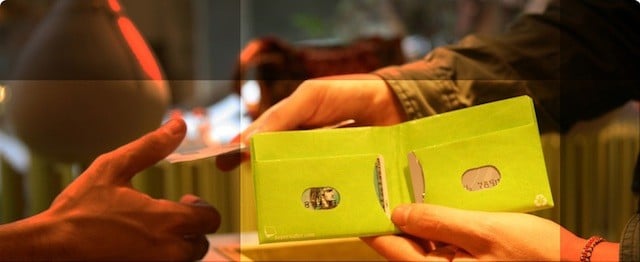
paperwallet website

Sleek Designs And Recycle Discount Program

The Paperwallet comes in several solid colors for $14.99 as well as some pretty intricate designs contributed from artists from around the world for 5 dollars more. Paperwallet will also give customers a 15% discount on any replacement wallets they send back to the company to be recycled.

Justifying The Cost

The Paperwallet isn’t big enough to handle a compliment of more than 4 credit or debit cards and gets bulky quickly when holding more than a few bills. This wallet won’t replace the more conventional one you probably have, but makes a good travel wallet when you’re out and about. Budget travelers may not find the expense to be justifiable (especially when the alternatives are free) except that it may be more convincing to potential pickpockets and thieves as opposed to them watching you rummage around your own pockets.

Tell me how you’d use the Paperwallet in the comments below before August 24th (3pm US EST) and I’ll pick my favorite to send the Paperwallet I received to that person. foXnoMad readers will also receive a 10% discount by using the coupon code “Travel” upon checkout at the Paperwallet.com.

Ataturk’s Mausoleum Anitkabir: Ankara, Turkey

anitkabir ankara turkey

Anitkabir is Mustafa Kemal Ataturk’s final resting place. The site itself is massive, with a 260 meter path lined with lion statues based on Hittite art and a ceremonial plaza that can accommodate more than 10,000 people. Inside Anitkabir you can see Ataturk’s symbolic tomb (the actual tomb is below on a lower level not open to the public). Before Anitkabir was completed, Ataturk was buried in the courtyard of Ankara’s Ethnographic Museum where you’ll find this commemorative marble memorial.

Admission to Anitkabir is free but you’ll want to avoid Turkish national holidays since the crowds can be overwhelming. In addition to the tomb inside the Hall Of Honor, you can watch a changing of the guard each hour in the ceremonial plaza. I’ve visited Anitkabir many times since I was a child and have enjoyed the recent addition of a museum which I highly recommend. Ataturk’s words along the hallways as you exit are especially insightful.

You can browse through my pictures from Anitkabir and Ankara and afterward find out why Ataturk’s image is everywhere in Turkey.

Why Ataturk’s Image Is Everywhere In Turkey

“There are two Mustafa Kemals. One the flesh-and-blood Mustafa Kemal who now stands before you and who will pass away. The other is you, all of you here who will go to the far corners of our land to spread the ideals which must be defended with your lives if necessary. I stand for the nation’s dreams, and my life’s work is to make them come true.”

-Mustafa Kemal Ataturk

When traveling in Turkey, you may be wondering who that man is, his image dotting the landscape in statues, whose picture is in almost every hotel, museum, and bank; prominent as the sun throughout the country. One cannot begin to understand Turkish culture without learning about Mustafa Kemal Ataturk, whose ideas flow through the veins of Turkey’s past, present, and future.

mustafa kemal ataturk statue turkey

Who Is Mustafa Kemal Ataturk?

Simply put, Mustafa Kemal Ataturk is the founder of modern Turkey. Given the name “father of the Turks” (Ataturk) he led Turkey to victory in its War of Independence at the end of World War I against multiple armies. Outside of this impressive military feat however, he also made rapid and radical reforms to Turkish law and society. Among other changes, Ataturk created a strict secular republic, giving women equal rights, and going so far as to change the Turkish alphabet into Latin-script to increase the dismal literary rate at the time. Scientific advancement, religion, and education were all transformed in a matter of a few years.

ataturk statue tasucu turkeyAtaturk’s Status In Turkey

Both the man Mustafa Kemal and his ideas are widely revered in Turkey as well as protected by law, and travelers should not insult his name or image, even in passing conversation. The Turks feel indebted to Ataturk, who gave them a Turkey well on its way toward economic, social, and political importance on the world stage. Ataturk is as much a part of the Turkish people as he is of the landscape and his images are only a visible representation of that fact.

Where To Learn More About Ataturk

While traveling in Turkey there are several places where you can learn more about Ataturk’s life and legacy.

  • Anitkabir (Ankara) – Ataturk’s Mausoleum, Anitkabir is is a giant complex where his tomb is located. Admission is free and in addition to monumental hall, there is a museum with several of his belongings as well as much of his personal library.
  • Ataturk Museum (Thessaloniki, Greece) – Born here in 1881 when Greece was a part of the Ottoman Empire, this house was given to the Turkish state by the Greeks in 1935 and converted into a museum. Admission here is also free.
  • ANZAC Day Ceremonies and Battlefield – Tens of thousands of Turks, New Zealanders, and Australians visit these battlefields in Gelibolu each year to remember those who died in this important campaign during World War I, particularly on April 24th and 25th. There are several ANZAC memorials around the world, including Canberra, Australia.
  • Dolmabahce Palace (Istanbul) – Ataturk’s residence when in Istanbul, he passed away here at 9:05am on November 10, 1938 and this room has been made a memorial. If you’re in Turkey on this day, at exactly that minute, all traffic will stop and people will get out of their cars to observe a moment of silence along with the rest of the nation.
  • Ataturk Congress And Ethnographic Museum (Sivas) – The headquarters of the Sivas Congress, called for by Mustafa Kemal, during the Turkish war of independence.

You can also find many other residences of Ataturk preserved in many Turkish cities including his home in Izmir. Whether or not you go looking for him though, you’ll find it impossible to miss Mustafa Kemal Ataturk in Turkey. Smiling on the banknotes, looking down from the walls of every public building, and in the hearts of it’s citizens, Ataturk is more a part of Turkey than his image can ever portray.

Learn How To Bring New Life To Your Travel Memories With Globejotting By Dave Fox

globejotting coverAuthor Dave Fox, the founder of Globejotter Tours, whom I interviewed back in April recently sent me a copy of his latest book Globejotting: How To Write Extraordinary Travel Journals. A book that will resonate with travelers, writers, and bloggers, Globejotting is an entertaining and overall fantastic read. I’ll send my copy to the first person to leave a comment asking for it on this post.

Also, if you’d like to join Dave on his next tour to Vietnam this October and happen to mention you heard about it from foXnoMad, you’ll receive a $300 discount.

Most people would probably cringe at the idea of reading a book about travel journaling, let alone maintain a travel journal themselves. Writing when you’re on “vacation” seems a waste of time, especially when you think a digital camera can do what a journal can in half the time. Dave Fox does a wonderful job to show you the depth that even a few words can bring years after a trip and how to record them effectively in short bursts. Dave teaches a number of techniques, like speed journaling, that will allow you to record your thoughts in minutes for later reconstruction.

Learning Through Example

What really makes Globejotting shine are the numerous examples throughout the book of Dave’s own private travel journals. Born from small instances while traveling and kept alive in a few scribbled words, these are the types of reminisces that a digital photo couldn’t provide. Dave argues a travel journal can help propel your inner journey, even when you’ve physically stopped traveling.

Avoiding The Typical Pitfalls

Dave’s writing is humorous and cuts right to the heart of why many people never write about their travels or buy a travel journal only to abandon it after a few sentences. Bland writing (“the Eiffel Tower was amazing”), stressing out to write a masterpiece with each entry, or fears that someone else may read what you’ve written (“found on your corpse after a horrible plane crash, what will your family think!”) may hold you back but Dave covers those deterrents and more. You’ll find Globejotting a surprisingly entertaining read, available on Amazon for around $10.

Setting Up A Backpack Security System To Keep Your Bag Safe When It’s Vulnerable

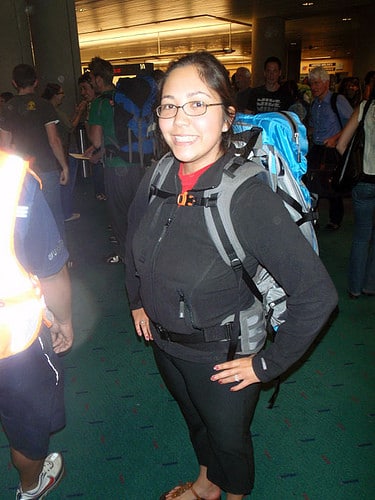
female backpackerAny good security system is layered, with many buffers against complete disaster. You may think of backpack theft as all or nothing when in fact your biggest threat are stealthy grabs when you’re not around to do anything about it. Instead of giving in, turn your backpack into a minefield of traps, tricks, and false hopes for even the most determined thieves.

Time Is On Your Side

One of the biggest advantages travelers typically have over opportunistic thieves is time. You can carefully craft and plan out a strategy against dishonest crooks while they’re the ones usually racing against a clock to get as much as they can without being noticed or caught. That’s where you’ll begin focusing your backpack security system – by increasing the amount of time anyone would need to get in and take your most valuable belongings.

Start With Basics

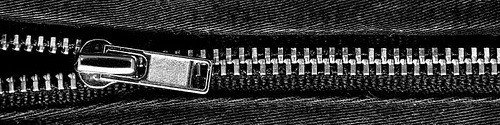
A small lock on closing your zippers together is a good place to start anytime you leave your bag by itself. Combination luggage locks are easier to manage since you don’t have physical keys to lose and are a good deterrent in luggage rooms common to hostels or hotel rooms where you aren’t sure about the staff. While it’s not recommended to lock your luggage if you check your bags due to security checks, keeping the zippers placed away from the ‘normal’ spots of at the edges or between corners can waste a few more seconds for a thief who only has a moment to make their move.

zipper

These products can make your bags very conspicuous however are a powerful deterrent in a hostel room full of completely unlocked and unzipped bags. If you’d rather not travel with either of these, make sure you store your most valuable electronics and travel document (e.g. passport) in a locker which most hotels and hostels offer. (Remember to bring your own lock, most hostels don’t provide them or will overcharge you to buy one.)

man digging holePack Your Electronics Deep When Checking In
You’ll want to keep any electronics away from the top of your bags, where they can be easily felt by a crook who might be rummaging around several bags. Place your valuable tech items deep within your bag, but disperse them throughout as well while avoiding the outer layer. For instance you could pack your iPod in a sock, while keeping your Kindle nicely folded inside a pair of jeans.

  • Keep It To Your Carry-On – Keep a carry-on bag with you so you don’t have to check in any valuables (I’ve had them stolen from there before). Electronics also tend to be heavy and it’s a great way to avoid luggage fees. If the thought of traveling with two bags makes you queasy, check out the REI Travel Zip or something similar.
  • Excuse Me, Do You Have Lockers? – First of all when booking a hostel or hotel, make sure to check if they have lockers, what size they are, and where they are located. If there is any ambiguity, email or call them to ask. Ideally this is where you want to keep your valuables when you’re settled in somewhere for a few days.
  • Spread Out Your Cash – Keeping your items and money separately won’t save all of your stuff but might be enough to keep at least some of your valuables safe. Hide your money in various pockets, some on your person, maybe a bit in your toiletries pouch but not all in the same place.

When looking for a hostel, I’d consider a locker to be a strong deciding factor over another without one of a similar price. Some hostels also boast lockers but don’t mention that they’re not big enough to fit a laptop. Walking around with your valuables in your day pack is both cumbersome and aside from the increased threat of theft, might end up with you banging around your hard drive into an early grave.

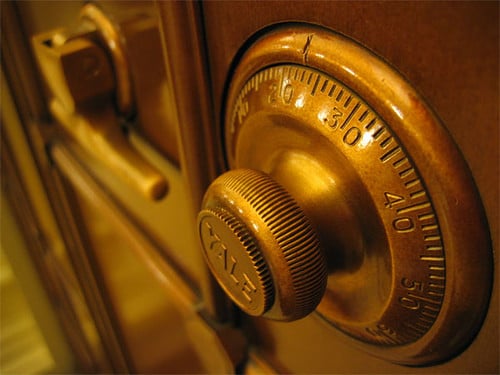
locked safeCovering Your Bases And Maintaining A Security System For The Long Run
Much like when you start out packing, your security system is likely to be at its best when you’re first heading out on a trip. After a prolonged vacation or when shifting locales it’s a breeze to take it easy, be negligent about locking up your stuff and all of the other little tricks part of your personal travel security plan.

  • Know Your Essentials – Your passport, cash, and and credit cards are essential when traveling and you should make sure you always have access to some bare minimum of funds. Do not neglect to keep these things secure. I’d also add any electronics that are too expensive or costly to easily replace (i.e. laptop if you work from the road).
  • Automate It – Stay consistent with how you pack your bag so it becomes second nature. Don’t try to come up with something even more intricate every time you pack. Come up with a plan and tweak it but trying to reinvent it every time will only leave you frustrated.
  • Have A Backup PlanEncrypt your hard drive, save your digital photos from crooks, and use online backup for your data.
  • Take Your Time – Not only will you be the least annoying person in any hostel dorm, packing ahead of time ensures you won’t rush through and neglect your backpack security system.
  • Layers Upon Layers – Jodi Ettenberg (Legal Nomads) has some excellent safety advice which I highly recommend reading in this interview with her on Solo Friendly.

Adding a few seconds of effort to any snoops’ schedule may be all you need to deter or steal an opportunity from a thief. For those times when it’s just not enough however, finding that $50 you tucked away in your dirty socks at the bottom of your backpack will make you realize a backpack security system wasn’t so crazy after all.

[photos by: stacya (female backpacker), gsag (zipper), colijay72 (man digging hole), rpongsaj (locked safe)]

Basic Hostel Planning To Be The Least Annoying Person In The Dorm

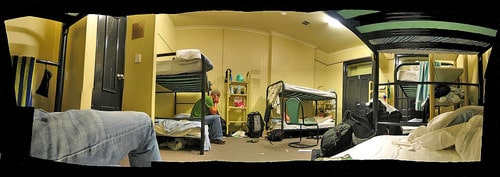
Hostel dorms are a haven for budget travelers and backpackers but when you’re sharing any living space with 4, 8 or more people it’s easy to get on one another’s nerves. Typically these feelings come about momentarily in the wee hours of the morning or night, kept silent inside each traveler as they move from one hostel to another. With just a moment’s worth of planning and without adding anything extra to your existing routine, you can make sure you’re not the most annoying person in the hostel dorm, or even annoying at all.

hostel dorm bunk beds

The Red Zone

Most of the trouble or frustrations people have with hostel dorms occur right before, after, and during bedtime. This is in fact when most people are likely to be in the hostel and disturbed sleep is usually the number one complaint people have. By taking care of all your basic backpacker needs – packing, showering, Skyping with mom and dad – outside of these times, you’re one big step closer to being a thoughtful and polite hostel-mate.

packed bagsPack The Night Before

Hostel hours vary, but in my experience, between 10pm and 10am are the times when at least one person is asleep in the dorm. If you know your flight the next day is at 6am, pack the night before when nobody is around (before 10pm or whenever your dorm tends to be empty).

Aside from being much less noisy the next morning, you’ll also pack much more efficiently. You’ll find it easier to pack more quickly in ample light as opposed to stuffing everything in your bags by feeling around for stuff – saving yourself time from repacking your backpack that just won’t shut in the hostel lobby.

  • Rushed Packing Can Lead To Forgotten Items – Poor planning on a long time table doesn’t lead to the mental chaos that packing in the dark with 5 minutes left to catch a bus does. Keep doing it an you’ll inevitably you’ll leave behind a pair of socks, a shirt, or something more valuable like your travel laptop.
  • Scrapping The Security System – Some of the best ways to protect your valuables in luggage is to vary the places you keep your money, pack your electronics deep, and disperse both throughout your clothes and other belongings. Packing at the absolute last minute, while trying to stay quiet, only makes you a loud hostel mate with one unzipped pocket away from disaster.

Try as you may, the sound of your own rummaging is never as loud to you as it is to other people who are probably trying to sleep. For your own selfish reasons as well, packing the night before removes many burdens from yourself giving you the opportunity to sleep for a few minutes more the next morning.

toothbrush silhouetteClothes On Top, Toothbrush Handy

Pack up all of your gear the night before except what you’ll wear the next day. This is sound advice whether you’re leaving the next morning to catch a flight, tour, or are simply an early-riser. For those of you new to what a hostel is, the definition of “early” can vary quite a bit. In your particular dorm that might mean 8am or 11 in the morning. Either way having your clothes, toothbrush, and towel ready on top of your bags (in untied plastic bags if you use them) will have you up and out without waking a soul.

Follow The Light

You iPod, cell phone, or a mini flashlight are wonderful sources of illumination once the dorm lights have gone out. You can see that toothbrush you’ve prepared, make your bed, or grab your blanket to return to the hostel desk without creating a blinding light that wakes everyone up. Personally, I find the Verso clip-on reading light (made for Kindle and Nook), to be a bright, lightweight, versatile nightlight with its bendable neck.

  • Avoid The Room Lights After Hours – This seems basic enough, but when you’re panicked that you can’t find your iPod touch or passport in the dark with (now 3 minutes) to catch your bus most people will flick the switch. That’s the fast way to annoying all of your hostel-mates and stressing yourself out unnecessarily.
  • Plan Door Time – An open door allowing the hallway lights to pour into a pitch-black dark room is a momentary, yet necessary evil. Running in and out 10 times though because you keep forgetting things isn’t. Another great reason to prepare your morning essentials the evening before.
  • Respect The Quiet Hours – Ask if your hostel has any if they aren’t mentioned and follow them as best you can. Also don’t hesitate to complain if others aren’t as diligent as you are.

brisbane hostels

In addition to the light, iPods and iPhones make great alarm clocks since their sound doesn’t carry too far and is low pitched. Any mobile phone with a vibrate mode also works well to get you out of bed without rousing everyone else.

cat sound asleepLet The Others Know

You may be a light sleeper, an early riser, or the type of person who can snore their way through a nuclear war. Either way, letting your hostel-mates know can reduce their stress and help them adjust their packing and planning schedule so everyone in the room is more comfortable. That way they (hopefully) won’t forget their ear plugs or keep sloooowly trying to unwrap that plastic wrapper in the middle of the night.

  • Communication Is Powerful – Study after study has shown that people are more sympathetic to those they have a personal connection with or can relate to. By talking to your hostel-mate, even just a little bit you can create a bond that might make everyone a bit more considerate toward each other.

Staying hostels for the most part isn’t like trying to sleep in the middle of a football stadium with hundreds of people shouting while you toss and turn under the spotlights…but you might make others feel like that if you’re not careful. As for you, some ear plugs and a sleeping mask as well as following this guide to sleeping in hostels can make each night more pleasant. By doing things you would anyway (i.e. packing) the night before you can effortlessly be the least annoying person in the dorm.

[photos by: nesta hostel valenica (hostel dorm bunk beds), Kristea (packed bags), Jeremy Brooks (toothbrush silhouette), safaris (Brisbane backpacker hostel), jasonfarmer (cat sound asleep)]

About Anil Polat

foxnomad aboutHi, I'm Anil. foXnoMad is where I combine travel and tech to help you travel smarter. I'm on a journey to every country in the world and you're invited to join the adventure! Read More

YouTube Twitter Instagram Facebook

Image Map

Image Map
10 Shares
Share
Tweet
Pin