Blog - foXnoMad

The Best Comments Of The Month: September 2010

It was very tough keeping up with the best comments this past September, there were so many helpful, informative, and hilarious ones! The comments are where foXnoMad comes to life – all because of you. I’ll have a commenter prize again in the coming months but if you’re willing to transfer your talents to video, you could be taking a free 1 week trip (anywhere you want) in my latest contest.

profile of conversation

  • Are Kelty backpacks as big as they claim? I love the dedication of bakbubo to finding out.
  • Maybe having people in my travel photos isn’t such a bad thing, thanks Barbara! (With a special nod to your Dad, many of us should ask ourselves this.)
  • For all of you flying across Europe with your pets, consider taking KLM for a stop in Amsterdam. JoAnna mentions the (rather awesome) fact that the airline has a pet hotel for layovers.

Thank you all so much for the comments and continued support. I’d like to mention again my Live The Backpacker Life Contest and hope you’ll consider entering. I’ll fly one of you for a week anywhere in the world you want. If I had the money I’d send you all, but for now I’ll start out one trip at a time.

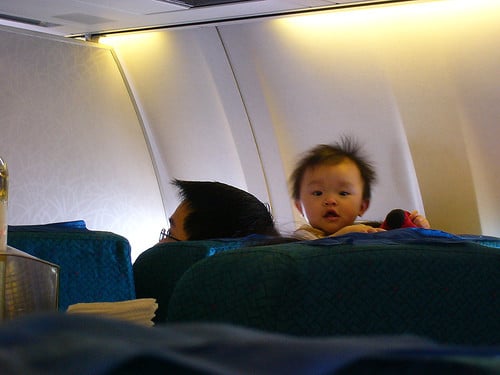
[photos by: greekadman (profile of conversation), kerfern (baby on a plane)]

Photos From Boras, Sweden

According to the website ranking authority Alexa, foXnoMad is most popular (relatively speaking) in the Swedish city of Boras. For this fact alone I decided to stop in the city last August while traveling between Gothenburg east to Boxholm, Sweden. I was expecting a tiny, quiet town but discovered Boras to be very cosmopolitan and delightfully active. These are a few pictures from around Boras, a city of 64,000, located 60 kilometers east of Gothenburg.

Boras Tingsratt (District Court)

Perhaps appropriately, there was a political demonstration in the square right in front of the Boras Tingsratt.

boras tingsratt district court

Knallen Statue By Arvid Knoppel

This statue, whose name means “bang”, stands at the entrance to one of the busier cafe streets in Boras; although a dog shortly before this picture didn’t think so. (Either that or he liked it so much he decided to mark it as his own.)

knallen statue arvid knoppel boras sweden

Caroli Church

As seen from a distance, the Caroli Church – the oldest building in Boras.

caroli church boras sweden

Svenska Handelsbanken

There is nothing exceptional about this branch of Handelsbanken, one of Scandinavia’s largest banks, except for the lovely exterior. You’ll find 460 other branches in Sweden alone.

handelsbanken boras sweden

“Declination” By Tony Cragg

One of the many pieces of artwork you’ll find throughout Boras.

declination tony craig boras sweden

Boras was legally brought into existence by the Swedish King Gustav II Adolf who also happened to found Gothenburg back in the early 1600s. Perhaps it’s the fact that Boras is Sweden’s version of Silicon Valley (among others Ericsson is headquartered there) or the diverse population that made me connect so much with this Swedish city. They obviously have good taste in travel blogs (if I do say so myself) and Boras is a city I could see myself living out at some point, despite the dreadful exchange rate.

You can see a bit more from Boras in my gallery here.

The Ultimate Guide To Traveling Internationally With Your Pets: Part 2

In Part 1 of The Ultimate Guide To Traveling Internationally With Your Pets you learned that most of the work you have to do takes place well before you ever get to the airport. Once the paperwork is out of the way it’s time to book a flight and actually take your trip with cat or dog in tow.

pug walking in snow

Booking A Flight With Pets – Including Expected Costs

Begin searching for your flight tickets as you would any trip without pets; about 2-4 weeks in advance without booking anything just yet. Also, I strongly recommend you stick to a single airline, even if it’s more expensive. Each airline has various requirements for the transportation of pets, plus you want as little switching along the way as possible.

Direct flights are also ideal – they tend to cost more but are less stressful than multiple flights for your pets.

cat eating dollar billOnce You’ve Found The Right Flight: Step By Step

  1. Go to the airline website and find out what their pet policy is.
  2. Look specifically for crate dimension requirements, booking deadlines, and beware of airline breed restrictions. (That last point is especially important if you have a dog with a reduced snout like a boxer or a pug. Some airlines won’t fly them due to their breathing problems which can be amplified in pressurized airplane environments.)
  3. Based on that information decide if your pets can (or should) be with you in the cabin. Here are the differences between traveling with pets in-cabin, as baggage, or cargo.
  4. Call the airline directly and let them know that you’ll be traveling with pets. Usually if your pets are not going to be in the cabin, you can book before, and then call to let them know. For in-cabin pets call before booking anything.

Typically only two pets are allowed in the cabin on any given flight so let the airline representative know that’s your intent. Also let them know the dimensions of your crate or carrier, breed specifics, and ask what the additional costs are.

What It Costs To Fly With Pets

Putting aside for the moment any additional costs, like visits to the vet and new crates, an in-cabin pet generally runs anywhere from $100-150 and animals checked as baggage about $150-250. Some airlines charge you per kilo of the total carrier-pet weight and you will (almost) always pay any pet costs when checking in; not when you book.

dog with clock24 Hours Before Flight Time

Every pet is of course different, but stop feeding them around 12-24 hours before your trip and go easy on the water several hours before flight time. Being hungry is inconvenient but a full bladder or crate full of poop at 10,000 meters is worse.

  • Pack enough food to feed your pet for the first day or two of after arrival.
  • Have a favorite toy or chewing bone for your dog’s crate. Make sure the bone isn’t real (synthetic only) and that the crate contains no grass, hay, or any food items.

It might be difficult to find a pet store with everything you need right away so best be prepared – and don’t forget your pet’s vet and medical records!

dog traveling in carrierChecking In At The Airport

The process for checking in with a pet is slightly different than when you’re traveling human-only. You’ll get to the counter, show the required documents for your pet, and pay all of the additional booking fees. Your pets (in crate) will also be weighed, which is why you shouldn’t lie about Fido’s extra 5 kilos.

Hopefully you’re prepared with a leash or are comfortable holding your traveling cat, because the crates are run through an individual X-ray. Pets don’t go through the machines themselves so you’ll need to hold on to them for a few minutes while security does finishes its checks.

  • Pets traveling in-cabin with you will need to have their carriers go through the X-ray machines at the security line. Usually you can hold your pet as you walk through the personal X-ray machine; ask the airport staff to confirm.
  • Pets being checked as baggage should have ‘special cargo’ or ‘live animal’ tags added to their crates; make sure they’re there before the final check-in.
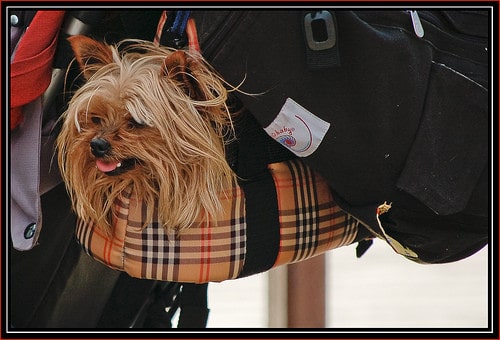
  • Here’s the process of taking a small dog on a plane.

Once security is done, your pets will be checked-in and you won’t see them again until you land at your final destination. Upon arrival at the airport your pets will be brought to you at the baggage claim by airline staff.

dressed up pugArriving At Your Destination And Going Through Customs
Most travelers with pets worry about this part, customs at arrival, most when thinking about traveling internationally with their pets. In fact, it’s generally the easiest part, assuming you’ve got all of your vet papers and required documents in hand. It’s usually less hassle traveling from the US or Europe to other places but if you’ve met the requirements, customs is often a quick glance-and-go process.

A Few Other Pet Travel Tips

Hopefully at this point you’re beyond customs and well on your way to your new home or vacation spot. Your pets will be stressed but these feelings pass quickly once a daily routine and the comfort of home is established. If you’ll be traveling anytime relatively soon after this, don’t neglect to make those vet appointments for the next stop. Fortunately, this seemingly formidable process becomes much easier after you’ve gone through it once, for both you and your pets.

[photos by: Big Dubya (cat eating dollar bill), Ross Belmont (dog clock), racieur (traveling dog in carrier),

The Ultimate Guide To Traveling Internationally With Your Pets: Part 1

Traveling with your pets on a short road trip can seem like a daunting task, let alone taking them anywhere internationally. The process of traveling with your pets internationally actually isn’t as complicated as many traveling-pet-owners initially assume. It’s a matter of solid preparation well before your flight, a few trips to the vet, and some added steps on your existing flight plan.

white dog part 1

For this post I’m sticking to air travel and talking about cats and dogs when I refer to “pets”, since most all other animals are regarded by airlines and governments as “wildlife” and are subject to different requirements.

Warning! Don’t Book Yet

You could easily end up out of a plane ticket if you book first for yourself and try to make arrangements with your pets. First thing’s first, don’t get ahead of yourself, no matter how cheap that last minute flight is.

cat sleeping on road atlasFirst, Get Your Pets Ready

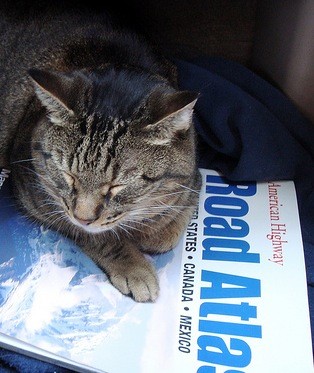
It’s a terrible idea to pick up your dog or cat who has never been in a car before and fly them halfway across the world. Fortunately frequent and gradually extended car rides are good test runs to get your cat used to traveling and your dog prepared for long trips. There are many tips for flying with pets and methods to prepare for air travel, here are just a few of them:

Assuming your pets are ready, now it’s time to get you (the owner) up to speed as well.

Two Important Questions: Where From And Where Too?

You’ll need to start planning at least 3 months in advance, especially if it’s your first time traveling internationally with pets. Every nation has their own pet import requirements which vary based on your originating country.

dog panorama

Specific Destination Information

The most reliable place to find a country’s pet import requirements are from its embassy. Find the contact information for any embassy around the world with EmbassyWorld, and if you can’t find any information online, give them a call. Pet requirements change often so don’t go on old information, hearsay, or what you “think” is right.

cat face closeupMore International Pet Travel Considerations
  • Make sure to look up the information for countries you may have layovers in.
  • Dog owners should check to see if there are any breed (e.g. pit bull) import restrictions.
  • Also, many countries prohibit the export of certain native breeds, be sure to check export restrictions as well.
  • Many countries don’t accept puppies under 12 weeks old.
  • Check what the requirements are for your home country. Some require blood tests to be done 3 months prior to return so a 1 month trip may not be feasible.

Hopefully by now you know about any applicable restrictions and (importantly) all of the vaccination requirements. Most immunizations have some sort of time restrictions and must be done (e.g. two weeks) before traveling and pets typically need to be micro-chipped as well.

dog and cat at vetVets, Vets, And More Vets

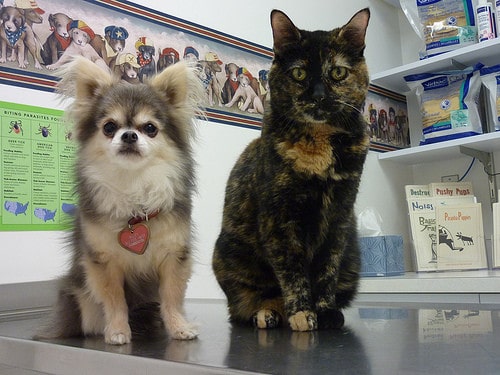
You’ll be going to the veterinarian at least once, if not twice or three times depending on the medical requirements of your destination nation. It’s important to note that while many vets are aware of international travel requirements, many are not. Print out and take all of the requirements you learned of from the embassy as well as any specific forms you downloaded to each vet visit.

  • Get all of the required shots and any shots that you cannot verify were done in the past.
  • Some countries require more current vaccinations than your pet may already have. Redo any shots that need an update (only if the vet says it’s OK of course).
  • Get a “pet passport” – most veterinarians will have them – they list all of the shots your pet has received, along with the relevant dates.
  • Keep the pet passport and all other medical papers from the vet; you will need them when you take your trip.

The veterinarian visits are arguably the most important part of the international pet travel process. Neglecting or skimping them can result in quarantines for your pet (nobody wants that), or an immediate return back. Don’t make things more expensive or stressful for your pet than they need to be by being lax with the paperwork.

Next Up: Booking, Flying, And Arrival

Tomorrow in Part 2 of the Ultimate Guide to Traveling Internationally With Your Pets you’ll get down to making the actual arrangements with the airlines. That will all seem like a piece of cake considering that much of the pet-travel work is upfront with trips back and forth to the veterinarian’s office, online research, and lots of paperwork.

[photos by: peregrinari (white dog-top image), mk30 (cat sleeping on road atlas), foolfillment (dog panorama), janerc (cat face closeup), adria.richards (dog and cat at vet)]

How To Get Around Local Internet Censorship When Traveling Abroad

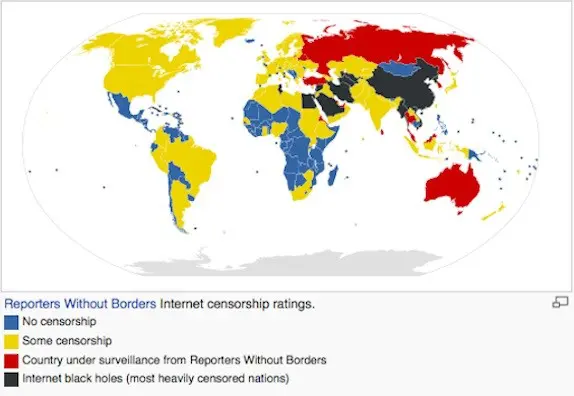
Most countries around the world censor the Internet to a degree, which can make for a frustrating surprise when you open your laptop lid in another country. (For example YouTube has been blocked in Turkey for the past two years.) As inconvenient and questionable as Internet censorship is, it’s generally ineffective against a few free pieces of software.

internet censorship

A Quick Look At How (Most) Censorship Works

Let’s focus on government censorship, although there are other kinds like Google omitting search results based on the country you’re in. Most work by blocking your direct access to a website – point A to point B. (An oversimplification but you get the idea.) Governments don’t have chips planted in your hard drive letting China know you’re in Beijing, they simply block access to specific websites on their end. That’s where proxies come in.

  • A proxy is basically a computer in an uncensored part of the world between you and the blocked site. Your computer connects to the proxy and the proxy connects to the website.

The government in between doesn’t know the difference (since access to the proxy isn’t blocked) and you surf the web freely without noticing the proxy. Think of the proxy as the friend you send to talk to your girlfriend when she’s not speaking to you.

internet censorship around the world4 Free Proxies To Beat The Man

Proxies aren’t the end all solution to getting around local government censorship but they are a good place to start and often all you’ll need.

  • Hotspot Shield [download]- Probably the easiest proxy to use although very ad-heavy. Download, install, activate and you’ll be surfing the Web as though you’re located in the United States.
  • Free VPN – A good Hotspot Shield alternative with a cleaner interface; Free VPN is Windows-only.
  • UltraVPN – Not as smooth or sleek as Free VPN but it works on Mac. (You’ll need to sign up for a free account to use it.)
  • Foxy Proxy [download] – This Firefox plugin gives you access to individually blocked sites as opposed to sending your entire connection over the proxy connection.

airline ticketsKeep in mind that proxies aren’t encrypted or secured connections – you’ll still need to practice good computer security habits and lock down your laptop. Also, since you’re rerouting online traffic through the proxy your overall Internet connection will be slower.

Another great use for regional proxies is to get cheaper airfare and tickets. Prices are often lower for American consumers so by making your computer seem like it’s in the US you can book the same flights for less overseas.

Another thing about proxies is that governments have a habit of catching on to them from time to time making them unavailable, albeit not usually for long.

invisible lego manStaying Invisible Online

These programs keep your web surfing and location anonymous, which is especially useful in places where your browsing may be monitored (and get you in trouble).

  • Tor [download] – One of the most misunderstood pieces of privacy software, Tor makes it nearly impossible for someone to trace where you are and what you’re surfing online. It can also help you get around regional censorship, although it’s blocked in several countries.
  • JonDo – Not the most intuitive program to set up, JonDo hides your traffic and is specifically configured to circumvent many forms of regional censorship. JonDo integrates completely with Firefox and Safari.
  • Turn Off File Sharing – So that you’re not inadvertently sharing sensitive or personal files.

Another good idea is to secure your basic web connections, not only protection against snooping government eyes, but also against malicious hackers in the most dangerous Internet countries. Luckily, with a click, the Firefox plugin HTTPS Everywhere [download] will do that for you.

There Are Still More Ways To Beat The Censors

For longer trips you can consider setting up your own virtual private network or buying access to a ready-made one like Hamachi. You might not think much about what’s blocked at your destination before a vacation but do consider the taboo online topics. Whether it’s democracy, pornography, or kittens sleeping on puppies, save any locally questionable browsing for freer Internets…or just cover your tracks very well.

[photos by: graphiclunarkid (Internet censorship), Dan4th (plane and train ticket sign), Chaotic Good01 (invisible Lego man)]

A Review Of The Pre-Travel Guide eBook: Preparing For An RTW

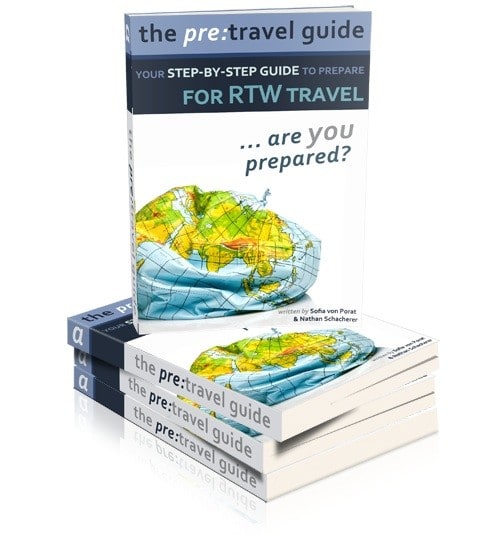
pre travel guide ebookNathan Schacherer and Sofia von Porat, who blog at As We Travel, recently released a round-the-world (RTW) trip planning eBook. Titled the Pre-Travel Guide, the couple sent me a copy to review. It aims to be a comprehensive handbook to helping you avoid many of the mistakes many long-term travelers make when starting out on their extended journeys.

Planning a trip of two weeks can be a daunting task for some folks and even if it isn’t, the preparations required for a much longer RTW trip (of months and months) can easily present challenges. A series of shorter trips doesn’t do a good job of preparing you for travels to multiple countries on the same leg within a year. That’s the reason Sofia and Nathan put together the Pre-Travel Guide; it’s based on their 8-month RTW trip across much of the planet and aims to steer you clear of the mistakes and scams they came across.

Breaking Down The Specifics

The eBook starts off slowly with a general introduction to travel and some pages dedicated to motivating you to take an RTW. Where the eBook shines however is in the specific information it begins to trickle from the first chapter on. Particulars like breakdowns of expected costs in various regions of the world are extremely useful for long-term travel planning since budget is arguably the biggest planning obstacle.

The eBook is reminiscent of Nomadic Matt’s Secrets To Successful World Travel (my review) but written at a faster pace. Throughout the Pre-Travel Guide’s elegantly designed pages are useful links to booking engines, planning tools, and online travel contacts. (Click-able hyperlinks within the text would be a great improvement however.) It’s this type of information I wish the Pre-Travel Guide focused more on. The Pre-Travel Guide tries to cover so much that at times it loses its focus on the nitty-gritty details that can really help you organize a complex trip.

Reflections On The Pre-Travel Guide

There is a lot of good information in the Pre-Travel Guide but you’ll have to dig a bit for it. One thing the Pre-Travel Guide can show you though is all of the stuff you haven’t considered planning for and maybe should. Within its 103 pages you’ll come across more ways (other than hostels) to find cheap accommodations, keep your body fit, and obtain the trickier tourist visas out there. The Pre-Travel Guide is available to download for $9.99; you can also keep up with Nathan and Sofia on their travel blog, As We Travel.

About Anil Polat

foxnomad aboutHi, I'm Anil. foXnoMad is where I combine travel and tech to help you travel smarter. I'm on a journey to every country in the world and you're invited to join the adventure! Read More

YouTube Twitter Instagram Facebook

Image Map

Image Map
10 Shares
Share
Tweet
Pin