Blog - foXnoMad

5 Of The Best Beaches In Sardinia And How To Make The Most Of Them

This is a guest post by Claudia Tavani, a former human rights lawyer and academic who has previously written about traveling in Cuba for foXnoMad. Claudia, who is from Sardinia, abandoned her career to follow her true calling, which has taken her on many adventures and misadventures across the world which she shares on her blog, My Adventures Across The World.

la pelosa beach sardinia

I always say that Sardinia is a great travel destination in any season, thanks to its great nature, unique archeological sites, beautiful cities and villages, ancient culture, festivals and the mouthwatering food. Yet, what Sardinia is most famous for is its stunning beaches and incredibly clear waters, that make it a paradise in the summer.

Since summer is well on its way and many are planning their holidays in Sardinia, here’s a (non-inclusive) selection of the top beaches in Sardinia, with a few tips on how to make the most of them.

1. Costa Rei

On the southeast of Sardinia about an hour drive from Cagliari, Costa Rei is not only one of the most incredible beaches in Sardinia, but one of the most amazing beaches in the world. Costa Rei is a long beach characterized by fine, golden sands and mostly shallow, clear waters. Ideal for families with children, Costa Rei is easy to access and there are kiosks, umbrella rentals, activities, and various places that organize excursions to the nearby beaches and islands. Additionally, Costa Rei is a good place to practice water sports such as kite surf or windsurf.

costa rei sardinia

How to make the most of Costa Rei: As pretty much the rest of Sardinia during summer months, Costa Rei gets crowded, especially on weekends. Since it is such a long, wide beach there are often quiet places if you’re willing to search a bit for them. Head there early in the morning to be able to place your umbrella in the front row. If you are bothered by the wind, when the strong mistral blows, opt for one of the protected coves nearby, such as Monte Turnu.

2. Cala Goloritze

On the east coast of Sardinia, in the Gulf of Orosei, this amazing beach is so unique that it is a UNESCO World Heritage Site. Cala Goloritze can only be reached by hiking (boats are not allowed to dock). The trail starts in the parking lot of Su Porteddu Bar in the Golgo Plateau, a short drive from the picturesque village Baunei.

cala goloritze sardinia

Cala Goloritze is famous for its arch, which can be reached with a short swim. Some people climb and dive from the arch, though I shall warn you that it’s not the easiest thing to do – occasionally someone gets stuck trying to climb – then rangers have to be called to rescue. The pinnacle is very popular for rock climbing.

The small beach of Cala Goloritze is made of tiny white pebbles. The incredibly transparent water is deep and very cold due to the infiltration of freshwater from the mountains around. Goats that are free to roam in the plateau above often pop down to the beach to drink from one of the sources, leaving visitors quite bemused.

How to make the most of Cala Goloritze: Cala Goloritze is tiny and gets packed in the busiest summer months. Yet, as getting there requires a good hike, this means that you will be surrounded by like-minded people who are there to enjoy nature. Make sure to start walking no later than 8:30 am. The walk is easy and mostly in the shade, but it does get hot after a while. On the way back, it is best to leave no later than 5:00 pm as the shade that comes from the surrounding mountains makes it a bit harder to see. Make sure to have plenty of water to carry on the way up.

The hike is mostly downhill on the way to the beach, and uphill on the way back up. It takes about 1 hour and 15 minutes to get down and it is best to wear good hiking shoes as it is a bit slippery. As it is completely isolated, there are no services on the beach – no bars, no toilets. You will need to carry whatever you think you may need.

There is a 1 euro fee to get on to the beach, the profits go towards its conservation. If you are not up for the hike, hop on one of the boats that from the tourist harbor of Santa Maria Navarrese take tourists to the various nearby (and gorgeous) beaches, such as Cala Sisine, Cala dei Gabbiani and Cala Mariolu.

3. La Pelosa, Stintino

On the top tip of western Sardinia, not far from Alghero and Sassari, the stunning La Pelosa has it all: fine, white sand; gorgeous clear and shallow waters; great view over another island (Isola Piana); and a Spanish tower to explore at its side. Easily accessible and fully serviced, the only downside of La Pelosa is that it gets packed with visitors.

la pelosa sardinia

How to make the most of La Pelosa: If you can’t be bothered with people, avoid going to La Pelosa in the peak summer months (July and August) and definitely avoid weekends. The parking lot is incredibly expensive, so it is worth considering going by public transportation. There is a regular service that runs from Stintino to the beach for around 1.5 euro, and it takes no more than 10 minutes.

4. Oasi Biderosa

The only words I can use to describe this place are “paradise on Earth”. Located in the northeast coast of Sardinia, the amazing Oasi Biderosa is made of 5 small coves which are surrounded by thick Mediterranean vegetation: Aleppo pines, junipers and cork trees contribute to diffuse a delicate aroma in the air. The fine sand and the clear turquoise water put the finishing touches.

oasi biderosa sardinia

Open from May to October, Oasi Biderosa is heavily protected, and as such only a limited amount of people per day are allowed to visit. This means that you will not meet so many people on the beach, but do have to plan your visit in advance.

oasi biderosa sardinia

How to make the most of Oasi Biderosa: In order to visit, you will need to make reservations by calling the numbers +39 333 179 83 35 or +39 342 355 99 75 between 7:30 am and 8:00 pm every day. Oasi Biderosa can be reached from Road (SS) 125, at kilometer marker 236.5. The closest village is Orosei, at about 13 km. It is about 43 km from tourist hub Cala Gonone and 50 km from San Teodoro and Budoni. Olbia is at 80km and Nuoro at 55km.

5. Cala Domestica

Located on the wild coast of Sulcis Iglesiente, an hour 15 minutes drive from Cagliari, this small cove is surrounded by hills on both sides with sand dunes behind, shaped much like a fjord. There is one main beach with an even smaller cove on the right side, which can be reached via a short walk on the rocks.

cala domestic sardinia

Cala Domestica used to be a harbor where metals extracted in nearby mines were traded at the end of a rail line used to get all the way to the beach. Remnants of the rails and of the warehouse can still be seen. An easy path on the left leads to the Spanish Tower, one of the many watchtowers built when Sardinia was under Spanish rule. The views from up there are simply spectacular.

cala domestica sardinia

How to make the most of Cala Domestica: As the rest of the Sulcis Iglesiente coast, Cala Domestica is often swept by strong winds and currents: double check the weather broadcast and opt for an entirely different place if strong mistral winds are blowing, as this decreases the chances of fully enjoying this great place. As with the rest of Sardinia, Cala Domestica gets crowded during the summer months and especially during weekends. There is a kiosk that sell light meals, snacks, gelato and drinks and that rents umbrellas and chairs.

Code Of Conduct On Sardinian Beaches

Do not take sand from any beach in Sardinia. Not only this is completely disrespectful of the environment and the people, but it is also a crime. Tourists are regularly caught at airports carrying bags or bottles of sand and penalized with a fine. Do not litter! Make sure you leave the beach as clean as you find it – if you don’t find garbage bins at the beach (for example, there are none at Cala Goloritze), do make sure to carry your garbage back with you. Finally, do not leave cigarette butts in the sand they also contribute to littering the beach!

Thank you Claudia for sharing some of the best beaches from your home with us. You can follow Claudia’s adventures, including rafting down mighty rivers, zip lining across canyons, and trekking to the craters of active volcanoes on he blog, My Adventures Across The World. Have any questions about traveling to Sardinia? Leave them in the comments below and Claudia will do her best to answer them.

All photos in the post above are courtesy Claudia Tavani.
Use Wall Outlets To Recharge USB Devices Faster On Short Layovers

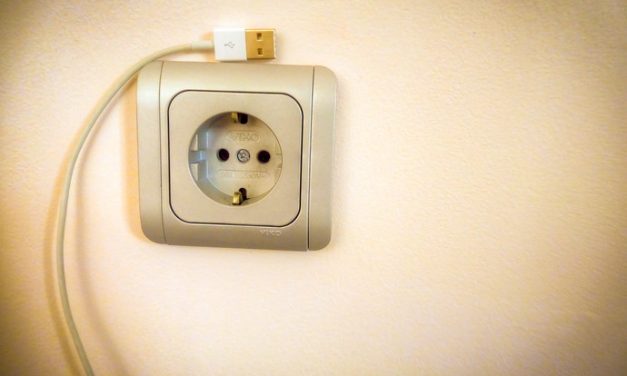
usb cable wall outlet

Keeping your gadgets charged can be a challenge when you’re pressed for time but plugging in your devices to a wall outlet can decrease recharge times significantly. Combined with the right charger, you can bring your batteries closer to 100% faster, so they’re powered up as much as possible before your next flight.

Outlets Aren’t Created Equal

You may have noticed how variable recharge times can be on your smartphone when plugged into your car on the way to work versus plugging in to the office computer. The reason is because not all USB ports and cables are made the same. Depending on how old your laptop is, it’s likely either equipped with a USB 2.0 or 3.0 (or higher) port. (Here’s how to find out which USB ports you have on Windows and OS X.)

A USB 2.0 port can only supply 500 milliamperes (mA) of electricity; a USB 3.0 port can give you up to 900mA; while the latest USB-C tops out at 5000mA. Depending on the device you have, the battery might be able to take 2000mA or more when charging – but the maximum electrical output of the USB port or USB outlet adapter must be equal or greater.

  • Potential Bottleneck – The maximum milliamperes a device’s battery can draw can be limited by either the wall/car adapter or USB port it’s plugged in to.

All of this means you could be charging up in half the time or faster if you plug-in to a wall outlet with a charger that can take advantage of all the electricity it has to offer.

Zoom In On Output

Take a close look at your USB wall charger; somewhere on it should be the output either in mA or A (1000mA = 1A). For example, Apple supplies iPhones with 1000mA adapters but if you’re using an iPhone 6 or newer, the battery can take up to 2100mA; so using an iPad adapter means your 6s will charge in much less time. Keep in mind too, most laptops and computers don’t always supply the maximum amount of electricity to charging devices. In other words, maximum output might be 900mA but your tablet is only getting 750mA.

apple ipad wall adapter

Power Up Your Wall Charger

Rapid chargers like the Morecoo 60W-12A give you 6 USB ports, each of which can provide up to 2400mA of power from a single wall outlet. When there’s no outlet around, PowerStick portable batteries provide up to 1000mA, both quicker and more comfortable than trying to open a laptop lid in economy class.

In case you were wondering, having an adapter that supplies more amps than your gadget can take won’t damage it, as the battery will regulate how much it takes. Also, if you really want to charge up as fast as possible, don’t use your device while it’s recharging. (And if you do end up plugging into a laptop, not using either device will allow recharges to be as fast as possible.) Finally, once you’re away from an external power source, use these tips to extend battery life for all of your gadgets once they hit the road.

How To Take Time-lapse Travel Videos And The Best Times To Shoot Them

belogradchik bulgaria fort rocks

Time-lapse videos are a great way to capture the action and feeling of your best travel moments without needing the attention traditional videos or even photographs require. Most recent smartphones and digital cameras have the capability to take time-lapses but if it’s a feature you’re not using, you may be missing out on a great way to spice up your digital photo albums.

What Is A Time-lapse?

Seeing one is the best way to understand what a time-lapse video is. You probably already have, but the term might not immediately ring a bell. To give you an idea, here’s a time-lapse video I took of sunrise at the Taj Mahal with an iPhone 5s:

Essentially what the camera (or smartphone) is doing is taking a single frame at an interval of every half, one, two, etc. seconds. In other words, the camera is taking a bunch of photos spaced apart in a relatively tight sequence, then the software puts them together, allowing you to capture 30 minutes of motion in a 30 second video, for example.

Get The Right Equipment

Most Android phones made after 2014 and iPhones 5s and up support time-lapse. On Android, you can download several apps to unlock time-lapse such as Time-Lapse Video Recorder or Lapse It. iOS users, the feature is built-in to the default Camera app – open it and swipe all the way left. (Alternatively Frameographer and Hyperlapse are more powerful option for iPhones.) A host of traditional digital cameras also support time-lapse, be sure to check the feature list to confirm.

Choose Your Subjects Slowly

Good time-lapse videos require patience but very low maintenance making inspiration travel moments some of the ideal times to take them. Since time-lapse videos are a set-it-and-leave-it type of thing, you won’t have a screen in your face obscuring amazing views better seen with your eyes.

  • Set Aside Time – The first step to getting good time-lapse videos is knowing you’ll be in one spot for at least 20-30 minutes. For example, when you’re sipping coffee at one of the best cafes in the world, set up the camera to capture the flow of customers coming and going. Sunsets are also good time-lapse opportunities, especially if you can stay after darkness has set in.

star wars sunset tunisia

  • Focus Around Movement – Choose the stationary objects in your time-lapse carefully because they’ll be visible over the entire length of the video. Using our cafe example above, a nice coffee cup framing the image on the right side or using a jet bridge for leading lines are some starter ideas.

Another good time-lapse trick is to film things that normally move very slow, like snails or airline employees behind checkout desks. Remember the camera or phone must be stationary the entire shooting time and there needs to be a steady source of motion. Crowds are an easy choice but so are boats on water; so long as you give the video a significant block of time so patterns of movement become evident in the footage. Remember, good travel photography principles apply, and keep an eye out for monkeys, many of whom like stealing sweets and shiny things.

How To Keep Your Blog Active When You Are Traveling: Part 2

This is a two-part series on preventing your blog from snoozing when you hit the road; you can catch up with Part 1 here. This is a guest post by Priyank Thatte who has been traveling the world for the past nine years while also working at a full time job. He publishes a detailed account of his travel stories and pictures on his blog: Final Transit which has been online since 2007. In this post Priyank shares some of his tried and tested techniques to keep your blog active when you are away exploring the world. You can follow him on Twitter @finaltransit and Facebook.

keep blog active travel

When it comes to priorities, we all know that traveling comes before blogging. Yet, I have heard many travel bloggers struggle at balancing the two. Years ago on my trip to Peru and Ecuador, I was constantly scrambling for Internet access and stressing about the next blog post. I skimped out on sleep, and nightlife, and the outdoors for a week before realizing what was going on. After a moment of reflection, I made the hard choice of deciding to forget about my blog and focusing solely on travel. My blog snoozed for several weeks, but hey, at least I got to enjoy Macchu Picchu and hike the Quilota loop on my own terms.

You shouldn’t have to make that choice thanks to all that preparation you did above. Aim to have three to four weeks of ready-to-go posts that you can either schedule in advance or publish manually with little updates.

2.1 Go Mobile!

WordPress has made it easy to blog from a cellular device, with apps for both Android and iOS. The app syncs with the web instantly, so you can never be away from your blog. You can pretty much access the same functionality that you can through a desktop browser, such as drafting and editing posts, working with media, etc. It’s easier on a tablet computer (e.g. iPad) and if blogging is all you require to do, you don’t need to haul a laptop with you.

wordpress mobile

The drafts that you created using tips above can now be finessed and published quickly. In addition, if you are used to uploading photos on Instagram or Facebook, why not do the same directly to your blog! Open up the draft post on Kyrgyzstan you created above, add pictures and descriptions from the Osh tribal market, and hit the big red button that says Publish. Now you have a post that is published in real time with few hours to spare to go out and enjoy the city.

2.2 Take Notes As You Go

gozleme turkey travel

Backpacking on your own on a shoestring budget means long wait times for buses and trains and shared vans. All that time offers a perfect excuse to take notes and write in your journal. I was a bit apprehensive about writing in a notebook with a pen (when was the last time you did that?), but after trying once and filling up half my diary with rich memories, I became a total fan of this technique.

Writing with hand will not only help you remember your stories better, but also yield many blog-worthy ideas. Not to mention the role journal writing plays in keeping us grounded and happy during those lonely moments away from friends and family.

For those preferring digital journals, I suggest using a plain-text notepad app for ease of copy-pasting content to WordPress.

2.3 Guest Posts

If you’ve been blogging for a while, you have probably been pitched by guest bloggers. Perhaps now is a time to give it a try. Be careful of what you are agreeing to: most of the people offering guest posts either write advertorials (advertisements posing as articles) or generic low-content clutter that spans most of the internet today. It’s advisable to have a clear set of guidelines on your blog (see example here) for guest contributions.

Guest posts can offer a rich complement to your niche, bring some fresh content, and more importantly give you a moment of respite from having to be ON all the time. PS: You are reading a guest post right now! 🙂

cafe window writing

3. Tech Hacks

You’ve got the content, you’ve got the tools to get it online, now we’ll look at making sure nothing on your website breaks when you are not looking. The section below is a bit technical, so feel free to ask any questions in the comments section below.

3.1. If It Ain’t Broke, Don’t Fix It

It’s always a good idea to run diagnostics on your website periodically and upgrade your theme files to newer web authoring standards. I always suggest people to do it in advance so you aren’t scrambling to get things in order. I get how tempting that next version of Foundation, or Bootstrap, or a theme you are designing yourself can be, but, for the web designers out there, do not get into website tweaking mode just before a trip. Murphy’s law will apply, and something will stop working at the last minute!

On the same lines, I suggest laying off that bright red “update” button for manually updating your plugins, theme files, or WordPress core few days before a trip. Incidences of conflicts and errors due to plugin updates are more common than you think. For people that use a large number of plugins or a custom theme that relies on particular plugins, it adds another level of conflict complexity with not just the WordPress core, but also with other plugins and your display theme.

Two weeks before your holidays is the time you want to focus on getting your work and travel organized, and there is no reason for the added stress of fixing your blog or fiddling with new tech tools.

broken macbook

3.2. Switch Off Or Restrict Automatic Updates

Back in 2013, WordPress introduced the automatic background update feature in an effort to promote better security, and to streamline the update experience overall. Sounds good in theory, but these auto updates have more than once broken my blog while I was traveling. While these updates are being applied, WordPress goes into maintenance mode, and is at times unable to leave it

  • Tip – To exit the maintenance mode, log on to your site using FTP and delete the hidden file that’s called “maintenance” in WordPress root.

Another issue that might happen is a plugin conflict – because your plugin is incompatible with the update. My solution to this is to disable auto updates. Easily done by adding this piece of code to your wp-config file:

define( ‘AUTOMATIC_UPDATER_DISABLED’, true );

While there is nothing so dire that can’t wait a few weeks for an update, you also don’t want to be exposed to critical security threats that get fixed in WordPress’ “minor” updates. An alternative setting which I use is:

define( ‘WP_AUTO_UPDATE_CORE’, minor );

WordPress Codex has an entire page dedicated to more options for achieving various levels of control over automatic updates.

3.3 Control Commenting

Spammers are always one step ahead of you and your blog posts may get inundated with spam comments easily without you noticing it. It’s worse when a post is published automatically and gets filled up with spam comments while you were traveling. There are few things you can do to greatly reduce this risk:

  • Start With WordPress Default Commenting Settings – Found under Settings > Discussion, I typically go with:
    • Comment author must fill out name and email, and
    • Comment must be manually approved, or
    • Comment author must have a previously approved comment.

Depending on your blog, it might be a good idea to switch off commenting on older posts as well.

  • Akismet – Akismet is an excellent spam check plugin that comes pre-installed with WordPress. You will need an API key (completely free for personal blogs) to activate it. Once in a while Akismet will mark a real comment as spam, but that’s pretty rare and you can un-flag it.

Alternative third party commenting systems can replace WordPress default and provide you with not only a spam guard but also many other tools such as points system for commentators, like buttons, recent posts, etc. While such functionality can also be configured on the native WP comment engine using functions/plugins, why not rely on experts if you are going to have such features. Some of the top external comment systems are Facebook, Disqus, Livefyre, IntenseDebate, Google+.

3.4 Hire An Internet Wizard

There are many Internet techies that can help you take care of your blog and make sure nothing goes wrong when you are away. If you are going to be offline for a long time, or you need someone with more expertise to resolve a technical issue, I highly recommend retaining someone (try right here, contact Anil). Think of it as insurance for your blog so it doesn’t cause you anxiety when you are away. Services usually range from pay as you go plans, to one time troubleshooting fee; a simple Google search will reveal a host of other options.

Conclusion

As you can see, with a little bit of planning and forethought, it is not very difficult to update your blog regularly when you are traveling or having intermittent internet access. Hopefully some of these techniques can help you keep your blog active while you are surfing and sipping delicious cocktails on a beach away from the grid.

Happy travels and blogging!

Thank you very much Priyank for sharing your advice on keeping a travel blog going when you’re traveling. You can keep up with Priyank on his blog Final Transit,on Twitter @finaltransit and find him on Facebook as well.

Have any questions for Priyank? Let him know in the comments below!

How To Keep Your Blog Active When You Are Traveling: Part 1 Of 2

This is the first in a two-part series on preventing your blog from snoozing when you hit the road, written by guest author Priyank Thatte. Priyank has been traveling the world for the past nine years while also working at a full time job. He publishes a detailed account of his travel stories and pictures on his blog: Final Transit which has been online since 2007. In this post Priyank shares some of his tried and tested techniques to keep your blog active when you are away exploring the world. You can follow him on Twitter @finaltransit and Facebook.

blogging while traveling

If you are reading this article on this website, chances are you are addicted to travel and technology just like I am. I like using tech tools to make my travel more fun and efficient, particularly because I, like most of you, am not a full time traveler. Most of us have day jobs, with precious little vacation time, and want to maximize our time traveling and exploring.

Now if you are a blogger that loves traveling, you are probably anxious to go to places that have limited access to internet because you don’t want to be away from your blog too long. Periodic spells of inactivity or absences from blogging/social media can be detrimental to your rankings and network. At the same time, the last thing you want to do on your holidays is spend hours writing a blog post, researching, editing photos, or worse, troubleshooting your blog on unreliable internet access.

How do you find a balance between the two?

Simple Hacks To Keep Your Blog From Snoozing When You Are On The Road For Long Periods

I live in Toronto and have a full time job that I love. I also spend at least two months a year on the road. Blogging for almost 9 years now, I have developed some coping techniques that let me keep my blog going, while also doing what I love doing: travel off-grid.

My suite of tips below range from content creation to technology and are designed to optimize your online/offline time during travel. This article only covers your blog and not other instant social media such as Instagram, Facebook or Twitter.

cat working on computer

1. Content Hacks

Some of the bloggers I know are go-with-the-flow personalities that publish when they feel inspired to do so, while others have established sophisticated workflows and schedules. Both these methods usually rely upon the ease of internet connectivity. When you are traveling, internet connections are often flaky; keeping a blog going therefore requires some forethought.

1.1. Setup A Blogging Calendar

First, look at your past blogging habits and decide upon a frequency that you could keep up with during travels. Between once and thrice a week is quite typical for most travel bloggers so I suggest you target that range.

Let’s assume you settle on a frequency of three posts per week. Once you know how often you are committing to post, consider using one of these tricks to automate one of those posts per week.

  • Setup a reoccurring weekly feature with a particular theme, such as Throwback Thursday or Foto Friday, etc. to recap some of your past travel misadventures and that stunning sunset picture that nobody has seen yet. Yes, Taco Tuesdays can also work on your blog as an excuse to show off what you ate.
  • Auto configure your blog to pull you recent posts from Instagram, Facebook, or Twitter. You’ll have to be careful what you post on social media if you setup this link. Numerous WordPress plugins will help you with this arrangement.

Now you are left with two more posts per week to write.

1.2. Create Solid Story Outlines Using Your Imagination

This is a nifty trick I adapted from a previous blog collaboration with Anil about each others’ imaginary trips to Manila and St. Petersburg. Often times there is enough you can do from your desktop at home before having left for your trip. You’ll be surprised how much you can write simply based on your own knowledge, google maps, and information on travel websites.

st. petersburg russia

To give you an illustration, I am preparing to travel to Kyrgyzstan later this year and this is what I would do. First I gather the facts I know about the place: based on history of the Silk Route, political separation after the collapse of USSR, being in the middle of soaring mountains, about nomadic Kyrgyz tribes and Turkic origins of their language, and so on. I can then look up WikiTravel to jot down few highlights and places to see as well as read up on logistics for visas, flights, money, and food.

All this research material makes an excellent shell for a series of posts about Kyrgyzstan that can be refined once you are actually there and can experience these things yourselves. You’ll be prepared to blog live from Kyrgyzstan with minimum time spent in the internet cafes of Bishkek.

Go ahead, give it a try and compose few posts about your upcoming trip!

1.3. Write Content In Advance

If you are a part-time traveler like me, you probably haven’t blogged about a whole bunch of trips you have taken in the past year. Now is a great time to catch up and tell your readers about that exciting excursion to the cloud forest in Costa Rica. Write those stories up, edit pictures, format your post and have it ready to go for the next step.

You just made a plan for your third post of the week. For a three week trip, you only need to write thee of these.

1.4. Schedule Future Posts

wordpress schedule post

Now that you have a number of ready drafts, it’s time to post them. A day or two before you leave, look at the number of drafts you have and divide it by the number of weeks you are going to be away. It will tell you roughly how many posts you can publish hassle free. When you are ready, use the WordPress “Publish” box on the top-right corner to schedule your posts.

Some of my blogger friends are completely opposed to the idea of scheduling future posts, while others are just fine with a new post getting published while they are on a flight or away camping. I fall somewhere in the middle – I keep posts ready as final drafts, but only hit publish when I am actually online. As a result of this choice, I have very little control over frequency of posts, or posting at a particular time, say every Monday evening at 5pm, but I have the emotional satisfaction of being there when the post goes out.

One of the most precious advice I heard from inspirational travel bloggers @ThePlanetD was to be available online for a couple of hours after your post goes online. You can not only respond to the first wave of comments, but also fix any minor formatting edits you notice at the last minute.

As a courtesy, you might want to let your readers know to expect a delayed response, although most people these days expect it.

This is the first part of a two-part series on managing your blog when traveling. Priyank shares his technical advice on how to keep up with a blog when you’re focused on traveling in Part 2 you can find here.

How To Plan A Safe And Entertaining Trip To Tunisia

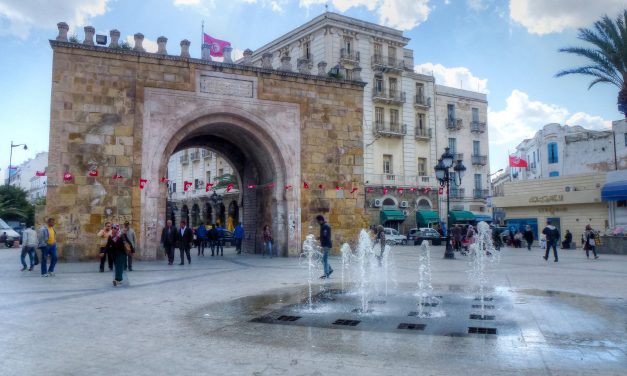
tunis port de france

Travelers thinking about Tunisia are often wondering if it’s safe to visit while others might not even know why they would want to visit in the first place. In between those two questions is Tunisia, the north African nation where the Arab Spring began, Luke Skywalker was born, and the Romans built one of the largest bath complexes in the ancient world.

Safety First

Although you might be enticed to travel to Tunisia, finding out if it’s safe to go at all probably comes first to mind. There have been a few high-profile terror attacks targeting tourists but consider nearly four times have been killed in Belgium, for example, over the past 18 months. In other words, attacks are about as rare as plane crashes.

tunis bardo musuem

Tunisia is an Arab Spring success story, the only one really, with strong institutions unifying the nation as it continues to develop.

Where To Stay, Starting In Tunis

Direct flights from a number of European cities, including Istanbul, to the Tunisian capital Tunis are plentiful. I suggest staying in the Medina, or Old City, which is a UNESCO World Heritage Site.

tunis tunisia door

  • Dar Ya Hotel – Located in the white-walled medina, the Moorish architecture, excellent service, plus very reasonable rates make you feel you’re not quite paying enough for this accommodation.

It’s easiest to arrange a ride from Tunis–Carthage Airport with your hotel prior to your arrival, if possible. Taxis leaving the airport will tell you they have a fixed rate (that varies depending on your bargaining ability) although they should be using a meter. Before leaving the airport however, head to the bright red Ooredoo kiosk just beyond customs. You’ll be able to get a prepaid SIM card with plenty of talk time and Internet for around $15.

Tunis Sights To Seek Out

Start by wandering around the medina – if you do end up staying at Dar Ya Hotel, as you head toward the heart of market in the tiny square about a 2 minute walk from the hotel, look to the right for a white sign on the path. Between the hours of roughly 10am and 4pm, there’s a very small kitchen in the basement floor, where a single cook prepares Tunisian stuffed flat dough. (I’m unable to find the name from my rough Arabic translation.) The greasy snack is closest to a mix between Turkish borek and gozleme.

tunisian food

  • Best Places To Spend Time In The MedinaEl Abed for excellent grilled lamb, and Mhirsi Cafe Alta, a local coffee spot with plenty of shisha plus people watching. It’s also worth noting that shop owners in the medina are very laid back (compared to those in Marrakesh, for example) so you can stroll with hardly any hassle.

A lot of Tunis’ major touristic attractions are within walking or metro distance, in fact, you’ll probably not need a taxi at all in town. Architecture enthusiasts don’t miss Zitouna Mosque (hidden in the medina) and Cathedral of Saint Vincent de Paul.

zitouna mosque tunis

Day Trip To Carthage

Home to one of the biggest Roman bath sites ever built (also a UNESCO World Heritage Site) Carthage is a 45 minute train ride from Tunis. You’ll take the first station of the Metro Leger de Tunis (TGM), a 15 minute walk from the medina. Head toward the Clock Tower and keep going until you hit water. Trains are frequent – usually once or twice an hour – and tickets are less than a few dollars for first class; an upgrade worth paying for. The stop most convenient for travelers is Carthage-Hannibal.

tunis clock tower

Carthage is a walking city, there are Phoenician and Roman ruins spread everywhere. From the train station, walk up the conspicuous hill away from the water and follow the signs to see the Roman Amphitheater. There are some other Roman sites from there (i.e. the villas) most will probably find dull. Instead, trace your steps back to the train station, then follow the signs to the Roman baths. Exploration of lovely coastal views, optional, free, and irresistible.

roman baths tunisia carthage

Food is rather scarce in Carthage around these sites so pack some snacks or see if you can find Pizza Phone. Forgive them for a poor choice in name that does not at all describe they quality or variety of their menu.

  • Roman Coins Trick – You’ll have people coming up to you offering to sell Roman coins. They may be real but the prices aren’t realistic; avoid them and instead purchase from one of the authorized gift shops if you really want a Roman coin.

tunisia mediterranian coast

Oasis In A Galaxy Far, Far Away

Even if the some of the Star Wars movie set locations weren’t near Tozeur, it would still be worth visiting the city built on the edge of a desert oasis. You can rent a bike or ATV (nearly all hotels in the small town offer this) and ride around in the vast palm trees for hours. Try to get to the outer edge on the fast side to see right where the oasis hits the desert for interesting photo opportunities.

tozeur oasis

sunset mos espa tunisia

Tozeur is a small town so you end up relying on your hotel to make arrangements more than you would a sizeable city. The Residence Tozeur Almadina‘s owner Tayeb is a big help, not to mention the hotel is a nice place to stay too. He’ll also be able to make recommendations for other parts of Tunisia plus put you in touch with local establishments that might be on your travel path.

tozeur tunisia

  • Best Ways To Get To Tozeur – Budget travelers who like the long road, there’s train from Tunis to Tozeur. It takes roughly 8 hours and you’ll probably be sharing your seat with a few cockroaches. The views are impressive though; however if insects aren’t your thing, budget Tunisian airlines fly from Tunis to Tozeur, a 40 minute flight.

Still Asking About Safety?

I’ve not mentioned it much because in terms of personal safety, Tunisia is very accessible to foreign travelers. Tourists who blend in reasonably and practice good travel security common sense should be able to avoid the most routine threat: pick-pocketing. Many though won’t be convinced, keeping prices low for travelers who do decide to visit Tunisia in the near future.

About Anil Polat

foxnomad aboutHi, I'm Anil. foXnoMad is where I combine travel and tech to help you travel smarter. I'm on a journey to every country in the world and you're invited to join the adventure! Read More

YouTube Twitter Instagram Facebook

Image Map

Image Map
10 Shares
Share
Tweet
Pin