Blog - foXnoMad

Weeks Before The Crowds In Oludeniz On Turkey’s Mediterranean Coast
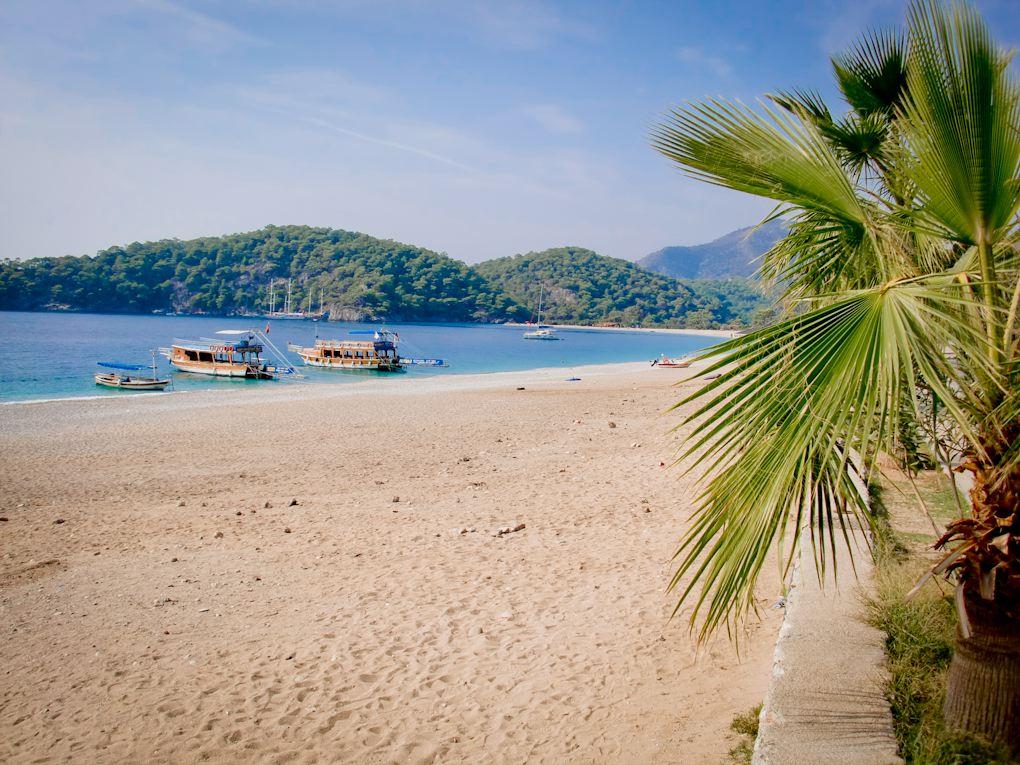
oludeniz turkey

This picture almost never happened, mostly due to clouds appearing in the sky every time I planned to visit Oludeniz, one of the best beaches in Turkey. Having based myself out of nearby Fethiye (approximately 10 kilometers away) for much of the past fall and winter, I made a few trips to this beach that’s most famous for its Blue Lagoon. You can actually see the edge of the Blue Lagoon at the far end of the beach in the photo above but the best views are from the air. Paragliding is huge in Oludeniz and even when the beaches are as quiet as they were on this late fall day, the skies still have a fair share of people floating above (right over my shoulder in this case).

There’s a bit of confusion online about the exact location of Oludeniz – and what sea it’s on. Both Wikipedia and Google Maps incorrectly place Oludeniz on the Aegean Sea; close but not quite. Make no mistake about it, Oludeniz, which means “dead sea” in Turkish, is on the Mediterranean. The boundary of the Aegean is actually between the northern edge of nearby Rhodes to just south of the Turkish town Marmaris – approximately 80 km offshore from Oludeniz.

The last time I visited Oludeniz with friends Barry and Julia, who write Turkey’s For Life (a must-read site if you’re headed to this part of Turkey) the weather was just warming up. That spring swell in tourists is likely now an avalanche of people from all over the world, with big numbers from England and Germany. That trip helped what had been a dismal set of pictures previously, most of which you can see in my Oludeniz album here.
The Simple Answers To Your Most Frequent Travel Insurance Questions

Travel insurance admittedly isn’t the most interesting realm of travel talk, making it subject to hearsay, rumors, and massive gray areas. All perpetuated due to a lack of discussion and by the insurance companies and travelers alike. Sure, getting travel insurance is easy, but finding out what’s covered and how to use it isn’t quite a clear cut and often full of disappointing surprises if you’re not prepared.

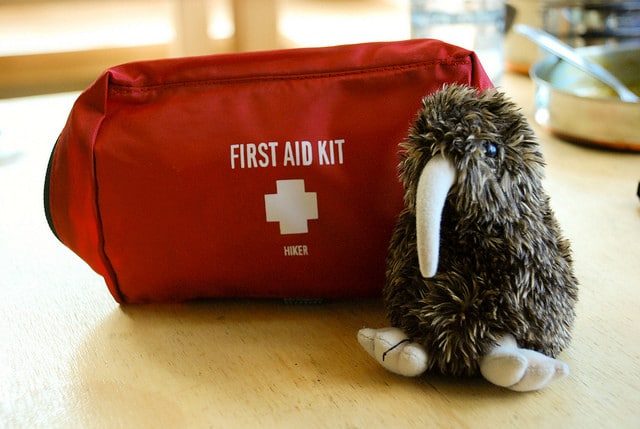
kiwi first aid kit

You might be asking what happens if your laptop is stolen or you break a leg in Qatar – to more grave situations like needing to go home or have someone make medical decisions for you.

Do I Need Travel Insurance?

There are two extremes in opinion when it comes to travel insurance from ‘never travel without it’ to ‘it’s a waste of money’. Usually those opinions are formed by people who’ve either had the need to use travel insurance, know someone close to them who has, or has been traveling for years without an incident. The truth is most people’s insurance needs fall somewhere in between. It’s an important question to ask, especially for longer trips, and should you get travel insurance is a topic I’ve covered in dept previously worth a gander.

question mark

Is Travel Insurance A Scam?

Insurance companies don’t exactly have the best reputations and the world of travel insurance tends to be murkier waters in general. There are, however, many legitimate travel insurance companies who offer short term coverage, extended travel plans, and those for expats permanently living abroad. The big names floating around are World Nomads, IMG, TravelEx, and HTH Worldwide comes recommended by fellow vagabond Sherry Ott.

con artists

How Much Does Travel Insurance Cost?

The answer to this question varies widely. In addition to the usual health insurance variables (age, drug requirements, etc.) travel insurance depends much upon which country you’re a resident of, where you’re going, and for how long. Generally speaking though, for a middle-aged single male or female, costs range from about $100-350 per month traveling to and from a range of countries.

pictures of money

You can compare travel insurance rates on sites like InsureMyTrip, call the travel insurance companies directly for lower quotes, and use tactics from The Art Of War to get the best price.

bottle of pillsWhat Isn’t Covered?

I can’t stress enough how important it is to read the fine print of any insurance policy as they vary quite a bit – generally speaking for routine travel insurance the following are NOT covered: preexisting medical conditions, prescription drugs, pets traveling with you (though there are policies that cover them), sexually transmitted diseases, and anything you do while drunk or high. Don’t get pregnant either. Also, every single policy has wording against you being stupid; be sure to check the exact definition.

Insurance companies also tend to try and make unpredictable events seem expected, wiggling their way out of reimbursement; usually they give you a 3 day window after calamity to cancel a trip. (Here’s how to decide just when to cancel travel plans.)

  • What about electronics? Most companies cover cap claims between $500-2,500.

How Do You Actually Use Travel Insurance And File A Claim?

Typically you send an email, use an online submission form, or for more serious or involved claims make a phone call. You need to keep all of your receipts, doctor notes, and anything else that can prove what you’re claiming to the travel insurance company. This process can go smoothly but usually requires a bit of verbal jiu-jitsu so the more paperwork you accumulate the better. Knowing the details of your policy helps as well; you should use the fine print to adjust your terminology accordingly.

telephone

  • I don’t mean that to say file a false claim, just make sure you use the best wording for your situation to get the most out of your coverage. Also, don’t volunteer information, let the insurance company do the asking and make your claim as soon after the incident as possible.

ostrichHow About Getting Killed, Being Unconscious, Or Angry Bird Attacks?
Having spent a few hours on hold with various travel insurance companies I found out these basics for when things really go wrong or an ostrich pokes your eye out. (Again, it all varies. I’m just a guy on the Internet. Read and confirm each specific policy!) Basically, travel insurance acts as a secondary insurance to your existing coverage if you have health care back at home. Travel insurance covers the emergency abroad (hospital costs, etc.) and will usually get you back home if the doctors determine you need extensive care.

In the case you’re killed or unconscious for any length of time (hopefully not of course) the information on you is used to contact anyone they can find. Some allow you to designate an emergency contact but the general rule of thumb is to carry a policy print out clearly identifying at least the phone number and name of your insurance company back home. Also, don’t get close to ostriches.

The Details Are In The Devil

Most travel insurance companies post the details of their policies on their websites though often there are gray areas for your particular travel situation. The phone (or via Skype) is the best way to get the details you need. Stick with it, get names, and jot down policy numbers for the things you’ve learned in case you end up having to use them down the…or on the road.

[top photo by: Kathrin & Stephan (kiwi first aid), snejb (question mark), guntzooki (con artist),  Images_Of_Money (pictures of currency), EdWohlfahrt (bottle of pills), Peter Prodoehl (telephone), dtaylorcreative (ostrich)]

A Short History Of Paella At La Matandeta In Valencia, Spain

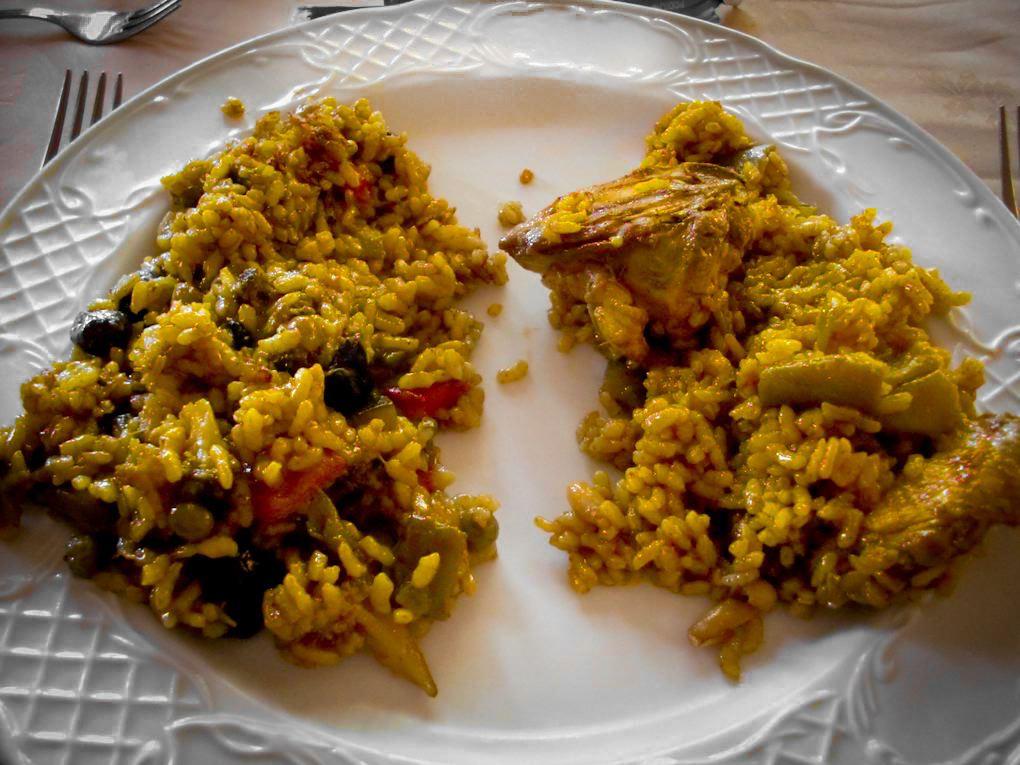
paella valencia spain

You cannot separate paella from Valencia, Spain where it originated in the 18th century. This dish and the round flat pan it’s cooked in by the same name, was made possible by the introduction of special short grain rices from Africa. Brought along with the Moors who conquered much of the Iberian peninsula during the 15th century, the hot, dry climate of Valencia proved to be an ideal place to cultivate the rice. And paella is all about the rice – which splits short way when heated – not on the ends like other rices, which allows it to absorb much more flavor from whatever it’s cooked with.

la matandeta valencia spain

la matandeta rice fieldsThe original paella dishes were often made with rat as other meats were hard to come by but has since evolved into three major branches. Above is an example of the Valencia variety; the major ingredients being rice mixed with beans, tomatoes, duck, snails, olive oil and the essential saffron. (Here’s a full recipe.) All cooked over an open fire in the flat paella pans which vary in size but run about 75 centimeters across. There are countless ways to prepare paella, several of which I tried at La Matandeta in El Saler, just south of Valencia.
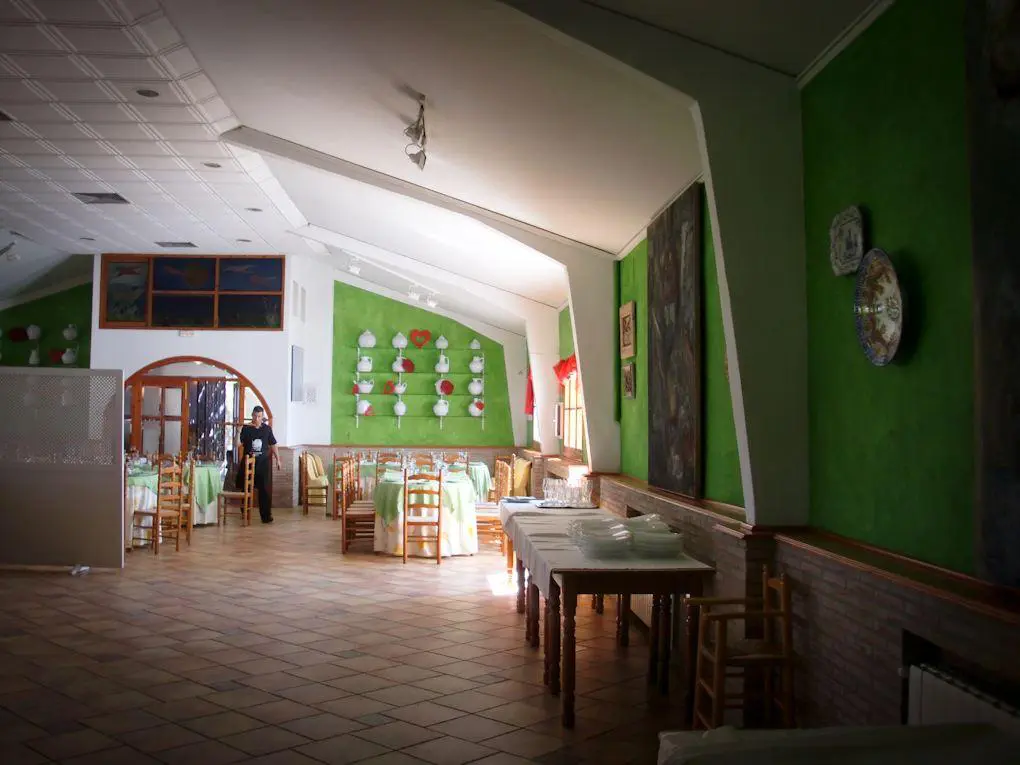
La Matandeta feels more like a giant summer house than a restaurant, a place so beautiful and calming at first sight you don’t want to leave. Seven courses and several bottles of wine later I almost couldn’t leave, I was so full.

Content to eat away into insulin bliss I was able to recover with a cafe con hielo overlooking the rice (yes, paella rice) fields from La Matandeta’s terrace. Not something often ordered by tourists I’m told, cafe con hielo is basically espresso served with another glass containing an ice cube. Pour unfiltered coffee over ice and you get a refreshing caffeinated shot on a hot Valencian summer day.

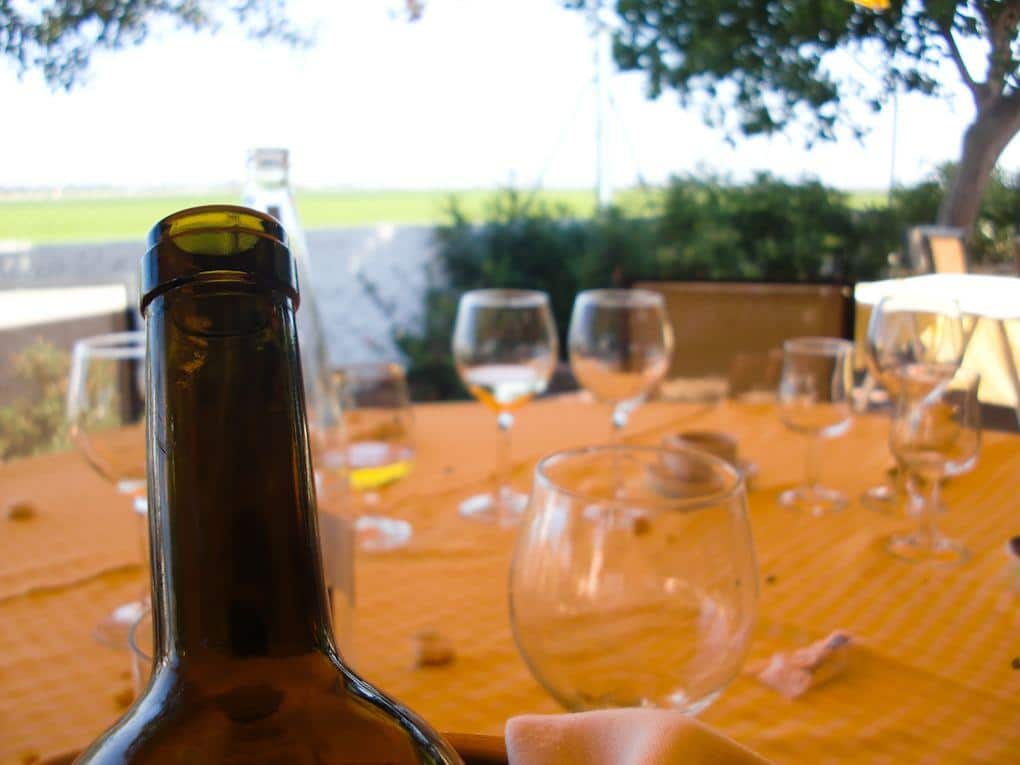
bottle of Spanish wine

There are a few paella faux pas I was clued into on my trip provided by Tour Spain and Valencia Tourism – first off being that paella is a lunch thing, generally never eaten for dinner. A late lunch I should mention, as in Spain, lunch gets rolling around 2pm and isn’t designed for brevity. Lastly, remember cooking paella takes time and the in the best places you won’t see it within 30 minutes of ordering.

You can see more food and the rest of Valencia in my album here.

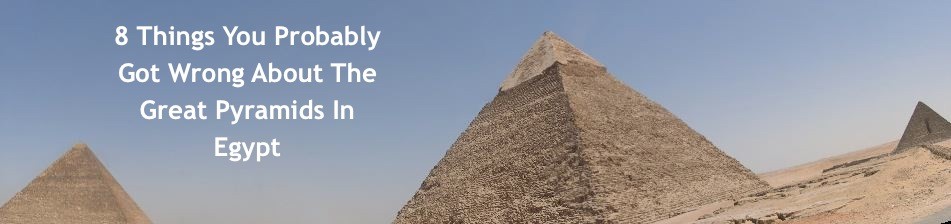
8 Things You Probably Got Wrong About The Great Pyramids In Egypt

Along with the Taj Mahal in India and the Eiffel Tower in France, the Great Pyramids in Egypt are probably one of the world’s most iconic and famous tourist attractions. Of those, the Egypt’s pyramids in Giza are by far the most ancient, having accumulated centuries worth of myths, mesofacts, and some intriguing conspiracy theories along the way.

3 pyramids of giza Egypt

Having formally studied anthropology I can attest to the fact that the archeological record tells us a lot about the these famous pyramids, most of which the public has gotten wrong over the years. These are some of the most prevalent misconceptions about the pyramids, several of which you might have yourself, and a few I learned about during my time in Egypt.

1. The Pyramids Were Built By Slaves

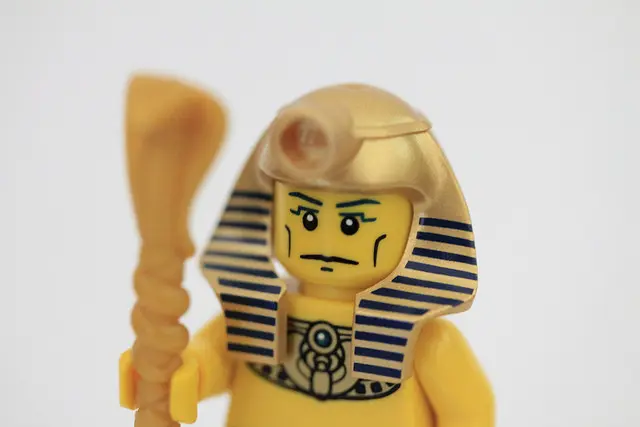
This is by far the most widely held belief people have about the pyramids that isn’t true. This rumor likely got started by Greek historian Herodotus (~484-425 B.C.) who visited the site of the Great Pyramid in 450BC. All current evidence now shows the Pyramids were built by skilled laborers, working on a national project, well fed, exempt from taxes, and often buried honorably in tombs around the construction site.

lego pharaoh

2. The Labor Force Was 100,000 Men Strong

Again it was Herodotus who first waved this figure around (although there is some debate in the translation of his exact words), but current estimates are somewhere around a workforce of 10,000. That’s 2,000 rotating skilled workers, 3,000 manual laborers, and 5,000 more men and women to support the infrastructure needed to feed, house, and maintain such a huge workforce.

tea in egypt

3. There Are 3 Great Pyramids

Although it’s become colloquial to refer to the Pyramids in Giza as “The Great Pyramids” there is in fact, only one Great Pyramid. The “Great Pyramid Of Giza” (also known as the Pyramid of Khufu or Cheops) is the largest pyramid of the 3 within the Giza Necropolis.

great pyramid giza

4. The Pyramids Are In Cairo

Many people confuse what “Giza” actually is, often thinking it is a proper name relating to Ancient Egypt. Giza is Egypt’s third largest city and where the Pyramids, Sphinx, and 2.8 million people are located. A close metro or cab ride from Cairo and part of the Greater Cairo metropolis, Giza is a separate city where the Pyramids now stand.

Egyptian museum cairo

5. The Pyramids Are In The Middle Of The Desert

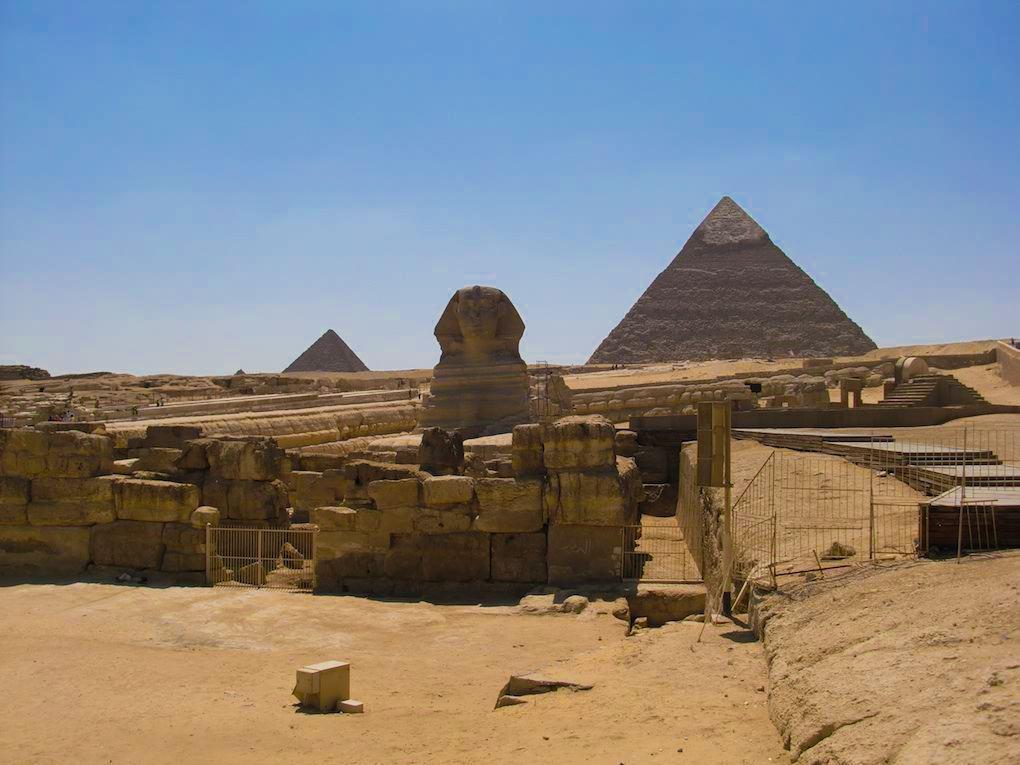
Most of the photos taken of the pyramids in Giza are from a certain angle or from fairly close up, making them seem like they’re in the middle of the Egyptian desert. In reality however, they’re really on the edge of the sands and practically in a few people’s backyards. The pyramids are in fact, nearly two-thirds surrounded by city, and the Sphinx is facing a TGIFriday’s.

pyramids in giza

6. There Are Only 3 Pyramids And The Sphinx In The Giza Necropolis

While the 3 major pyramids and Sphinx are there as well, the Giza Necropolis consists of several other structures over a 2.25 square kilometer area. That area includes a permanent worker’s settlement, a number of cemeteries, and 6 smaller “Pyramid of Queens”. The entire area is a UNESCO World Heritage Site.

great Sphinx giza egypt

7. The Pyramids Are One Of The 7 Ancient Wonders Of The World

Sort of, but technically it’s only the Great Pyramid of Giza that’s on the list that was created mostly by the ancient Greeks. The Great Pyramid shares a spot as one of the 7 ancient wonders with Colossus of Rhodes but has the distinction of being the only one that has survived until today. In 2007 the Swiss company New7Wonders Foundation had a public poll to name the 7 new wonders. After a bit of controversy the Great Pyramid was added as the 8th (honorary) member, though since then they’ve quietly removed it the official list (but is considered a permanent member so far as anyone can tell).

colossus of rhodes

8. Humans Needed Alien Help To Build The Pyramids

I, like most sci-fi nerds, love a good alien conspiracy theory. One that keeps floating around is that human beings alone, without modern machinery, could not have built the pyramids. Aside from the obvious proof that the pyramids are there and we have no evidence of alien contact with human beings ever, it’s easy to discern how the pyramids were built because many of the same construction methods are still used today. Both in Egypt and other parts of the world – not to mention by teams of scientists performing the labor themselves to determine the construction details.

grey aliens

Though I have to admit, I’m rooting for aliens on this one. Aliens building pyramids – how cool could that possibly be if it were true? More interesting than teams of 20-60 men moving granite and limestone using levers and ramps – the currently held theory.

The Gray Areas Are Getting More Concrete

It amazes me how much we still have to learn about human-made structures that have been on Earth for more than 4,000 years, though science is churning away at closing in. These Pyramids of Giza however are just a small percentage of the 138 pyramids that exist in Egypt, including 17 that were recently discovered by infrared images from orbiting space satellites.

The Pyramids of Giza are a huge draw and part of Egypt’s tourism industry but are a quiet place these days. Since the January 25th revolution many potential tourists are wondering if it’s safe to visit Egypt, though the lack of crowds at the Pyramids made it a rare time to visit.

[photo of Lego Pharaoh by Pedro Vezini and photo of aliens by bbaltimore]

How Can I Protect My Online Accounts At Internet Cafes When Traveling?

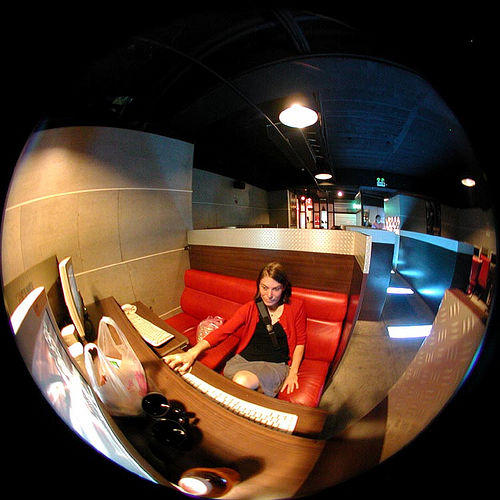
internet cafe fisheye viewThat’s a question I hear often and there’s lot of confusion on how to keep your email and other online accounts safe. Whether you’re in an Internet cafe to make use of a desktop or simply paying for some quality wifi, there are a few ways you can stay safe in unfamiliar digital territory.

Scoping The Landscape: The Basics

Basically there are two points of vulnerability you need to be concerned about at Internet cafes. One is the computer you’re using and the network you’re on. If you happen to be on your own iPad, laptop, or other mobile device, you mostly need to worry about the network, so skip right along to the next section. Everyone else, stay with me so we can make that Internet cafe computer a bit safer.

Add Layers Of Protection With A USB Stick

Keep in mind you’re in unfamiliar territory and security is never absolute. That said, the most secure way to go at an Internet cafe is to bring along your own USB drive to create a little quarantine for your browsing. You can carry around your own virtual computer on a USB drive using PendriveLinux (here’s how) which gives you an entire operating system you know hasn’t been tampered with.

  • Tweaking Firefox – Say you’re not going to go the extra step and plug Linux onto a USB drive, you can simply load Portable Firefox instead (with HTTPS Everywherehere’s how to set it up).
  • Click And Paste Passwords – Along with Portable Firefox, use KeePassX to store your passwords and copy-paste them for your online accounts. By avoiding typing them, you work around ‘keystroke loggers’ which are nasty little programs that record everything that’s typed on a a computer.
  • Load SafeKeys – This program creates a virtual keyboard you can use to type passwords with so you don’t have to use the keyboard for logins.
  • Logout From Your Accounts – I know you can’t wait explore Berlin but be sure to log out of your online accounts first and have the courtesy to do so for others who may have forgotten.

laptop keyboard

Don’t have a USB drive handy?

You can still cover your tracks with the Firefox installed on the computer you’re using with Private Browsing mode. As Mozilla clearly points out, it won’t protect you from keystroke loggers but will make sure you don’t leave behind any passwords, user names, or cookies behind. Another crude, but effective way to copy-paste passwords is to type a string of random characters in Notepad (or equivalent); then select the characters you need individually. For example: 3wivfjL9O5VdjEwMYdsDqqo54aq!$G  = (iLOVEMYDoG)

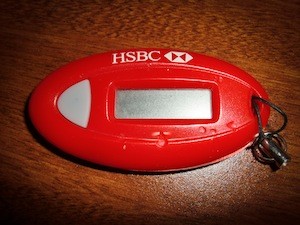
hsbc security tokenWhile we’re at it, remember that USB drives have a habit of getting lost. Some basic encryption can go a long way to protecting the data on those drives if they’re lost or stolen. Several drives come with encryption built-in like the IronKey S200, Corsair Flash Padlock, or the Patriot BOLT. Of course, there’s always the do-it-yourself free method of encrypting any old drive with TrueCrypt (here’s how).
  • Finally, it’s worth mentioning that many banks like HSBC and online services like Paypal offer hardware tokens for a few dollars or in some cases free. (They’re not usually advertised well so call and ask your bank.) These small devices generate a random series of digits every minute or two, required with your password to login online.

In effect, they make your passwords useless without the device; that is unless you use the same password for all your online accounts – a common traveler tech mistake.

Surfing The Waves Of An Unsecured Network

There’s a bit of a misunderstanding about wireless networks, the main one being that ‘secured’ connections are always secure. Any network, wired, wireless, with or without passwords is only as secure as the people and programs who are and have been on it – relying heavily on what security measures exactly are in place. A wireless password helps keep people out but in an Internet cafe everyone has the password.

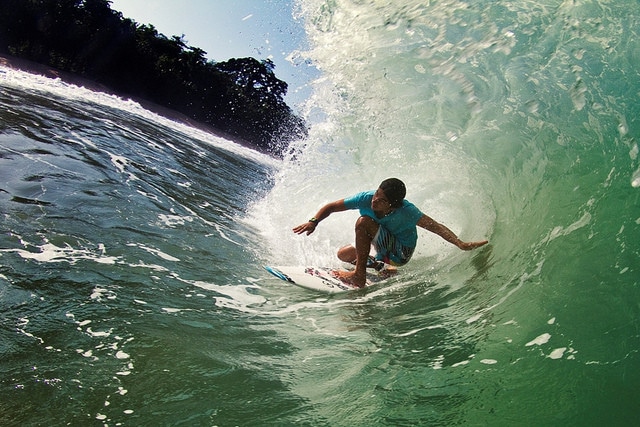
surfing isla grande panama

  • Verify The WiFi Network – Don’t just connect to any old open wireless network floating around the Internet cafe, confirm the establishment’s connection with staff.

I can’t stress enough how important it is to have separate passwords for every single one of your online accounts. That helps minimize the damage a bad hacker can do if they happen to get a hold of one.

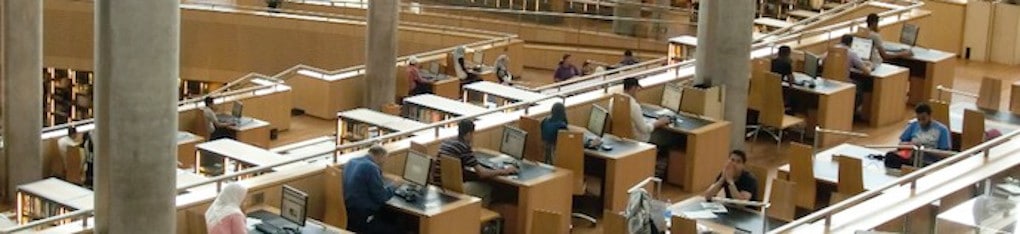
Alexandria library egypt

  • Type In URLs Directly – With the huge caveat that you know exactly what they are. Start off with https:// and go to Amazon.com or whatever from there. (Remember https – with the “S”.) It’s not perfect but better than letting the browser guess the link for you. Type it out completely!
  • Limit What You Access – Don’t go into all of your sensitive online accounts when you sit down at an Internet cafe; check what you need to.
  • When In Doubt, Don’t – Familiar websites that don’t quite look right, links in emails, and other pop up ads should be avoided. Questionable content or fake versions of popular websites designed to steal you logins are common online tricks so if things don’t feel or look right…don’t take chances.

Digitally Insulate Yourself At Each Level

Security is never perfect and this post is really only the beginning – there are far more complex and varied tactics you could use in Internet cafes. That said, your best protection is insulation against the most common threats. Separate your online accounts and cover your tracks so once you leave that Internet cafe, it’s like you were never there.

[photos by: jared (Internet cafe fish eye view), whl.travel (surfing Isla Grande Panama)]

A Lonely Tout Looking For Business At The Great Pyramids Of Giza, Egypt

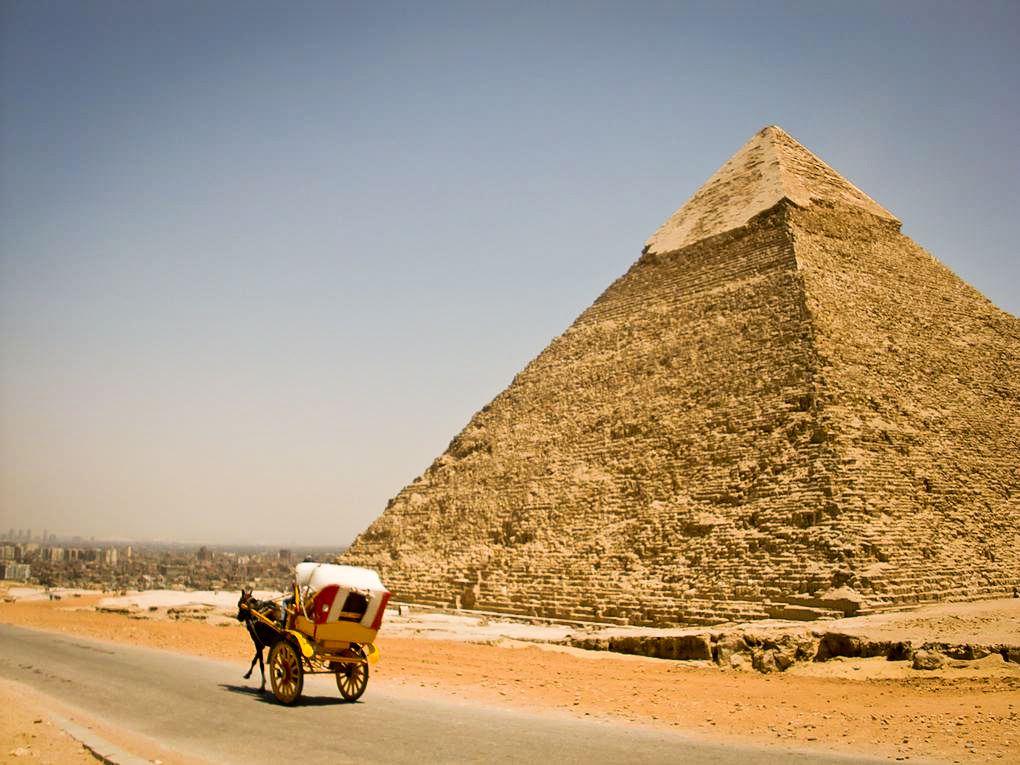
the great pyramids of giza egypt

Wednesday afternoon on a hot day in late May is is a quiet time to visit the Great Pyramids which sits practically right in the city of Giza (not Cairo, though they’re very close). That particular day though, 4 months after Egypt’s revolution, was an especially slow one. The Great Pyramids, and Sphinx nearby, are notoriously tourist-tricky places to visit. They’re a healthy breeding ground for scams new and old; designed to pick off the uninitiated lost in their gazes of the only remaining ancient Wonders of the World.

great pyramids giza egpytTravelers arriving on their own, walking up to the Pyramids will find people on the street trying to lead you left, right, and any other direction aside from the correct one. This popular trick is found many places, Marrakesh for one, and is easily avoidable by walking up the hill toward the large, unmistakable rock triangles right in front of you. Pay your 60 Egyptian pounds (~$10) to enter and ignore all of the “tour guides” at the entrance. Also, it’s especially important to hold on to your ticket from a few grabbing hands and pass directly through the entrance gate.

It was within all of this commotion to enter I assumed I’d have to run the gauntlet once inside. Yet my entrance seemed to catch everyone off guard. Finally touts baking in the hot Egyptian sun, sitting along the asphalt roads, began approaching me one by one. (There seems to be a tout hierarchy based on age; the older ones get access to the fresh tourist meat.) A few got their chance and gave up one by one (no camel rides for me, thanks) and the rest really looked quite…bored.

  • The camel, horse, and carriage touts also seemed noticeably subdued in their advances. I’m told part of the reason is due to the local backlash against them. Many of the touts, out of work during the revolution, were allegedly paid by government officials to incite violent. Scenes of rioters on camel and horseback riding through the crowds demonstrating in Cairo’s Tahrir Square were still fresh at the time.

I strolled around the Great Pyramids for nearly 2 hours before coming upon any other foreigners, vividly demonstrating how badly tourism has been hurt in Egypt since January 25th, which has seen a drop of 35% over the same time last year.

You can see more photos from the Great Pyramids in my gallery here.

About Anil Polat

foxnomad aboutHi, I'm Anil. foXnoMad is where I combine travel and tech to help you travel smarter. I'm on a journey to every country in the world and you're invited to join the adventure! Read More

YouTube Twitter Instagram Facebook

Image Map

Image Map
10 Shares
Share
Tweet
Pin